
University of Transport and Communications co-organizes the 2026 Vietnam–Russia Rectors’ Conference
As part of activities aimed at strengthening the Comprehensive Strategic Partnership between Vietnam and the Russian Federation, the 2026 Vietnam–Russia Rectors’ Conference was held at the University of Transport and Communications (UTC) on May 22, 2026. The Conference brought together representatives from 62 universities from the Russian Federation and 68 universities from Vietnam.
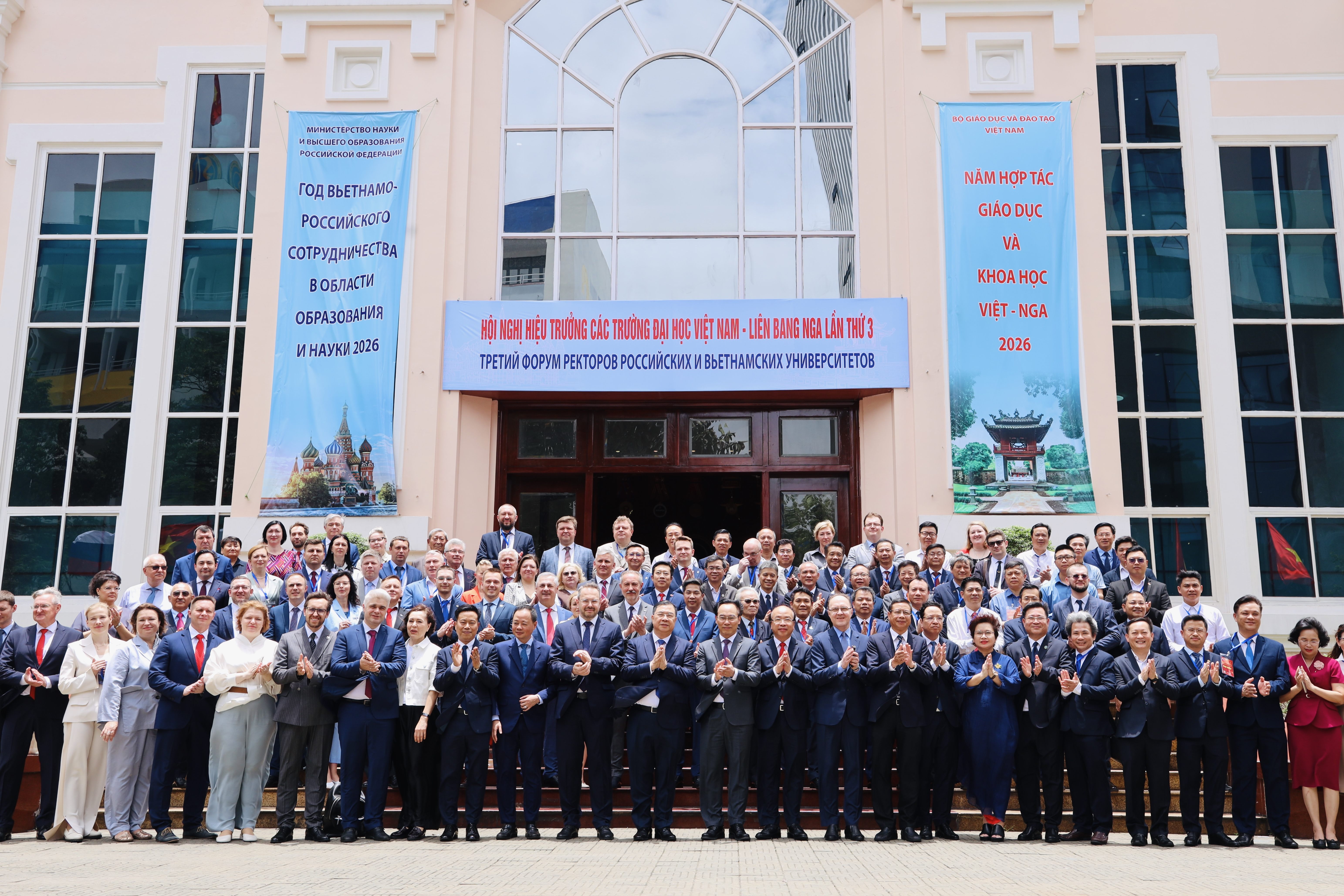
Conference delegates take a commemorative photo
The Conference was attended by Mr. Pham Gia Tuc, Member of the Politburo and Permanent Deputy Prime Minister of the Socialist Republic of Vietnam; Mr. Dmitry Nikolayevich Chernyshenko, Deputy Prime Minister of the Russian Federation; Mr. Hoang Minh Son, Member of the Party Central Committee and Minister of Education and Training of Vietnam; Mr. Phan Chi Hieu, Chairman of the National Assembly’s Committee on Law and Justice and President of the Vietnam–Russia Friendship Association; Mr. Gennady Stepanovich Bezdetko, Ambassador Extraordinary and Plenipotentiary of the Russian Federation to Vietnam; Mr. Tran Hong Thai, Member of the Party Central Committee and President of the Vietnam Academy of Science and Technology; and Mr. Konstantin Ilyich Mogilevsky, Deputy Minister of Science and Higher Education of the Russian Federation, together with leaders and representatives of Vietnamese and Russian government agencies, ministries, sectors, and higher education institutions.
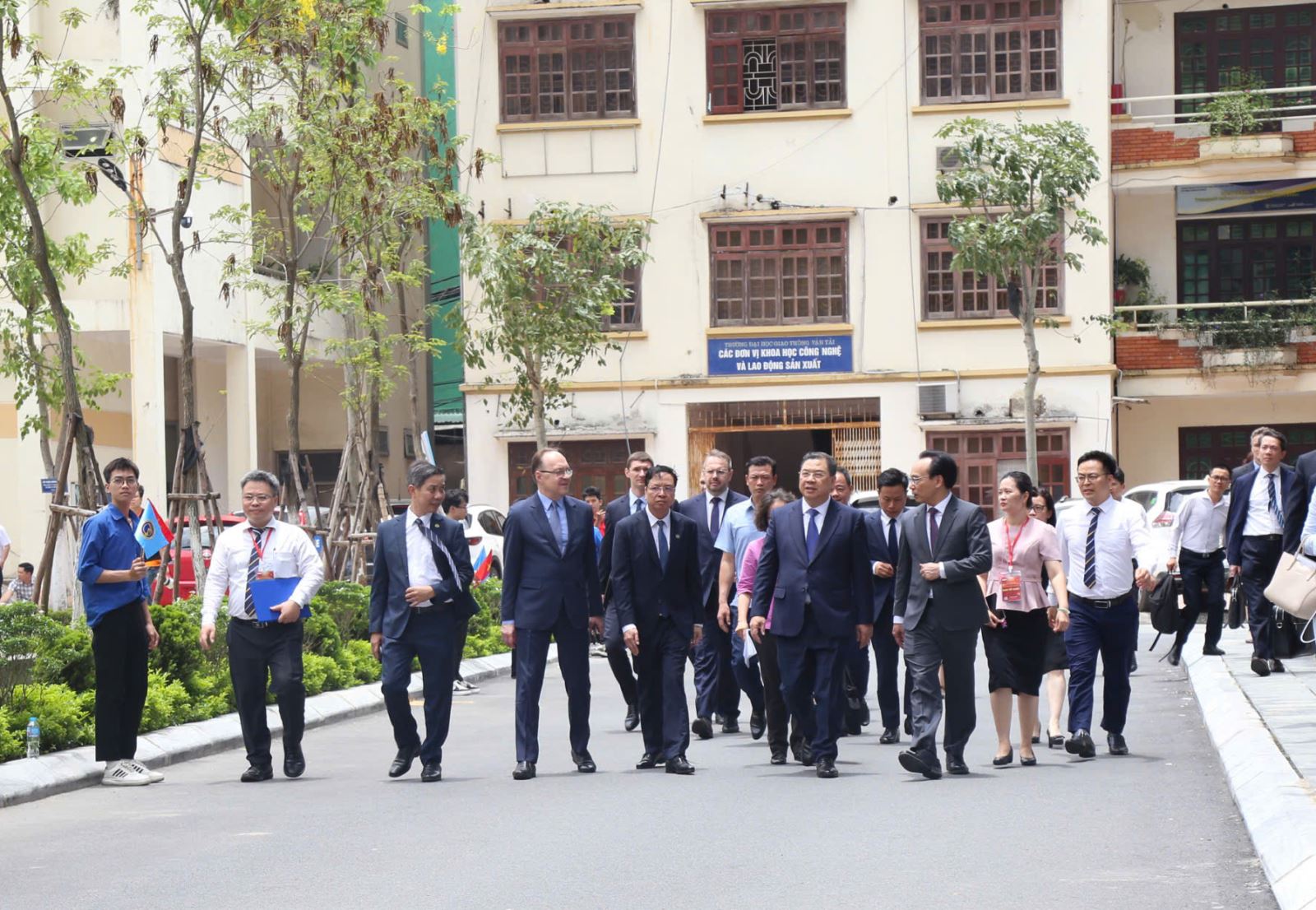
Mr. Pham Gia Tuc, Member of the Politburo and Permanent Deputy Prime Minister of the Socialist Republic of Vietnam, led the Vietnamese delegation attending the Conference.
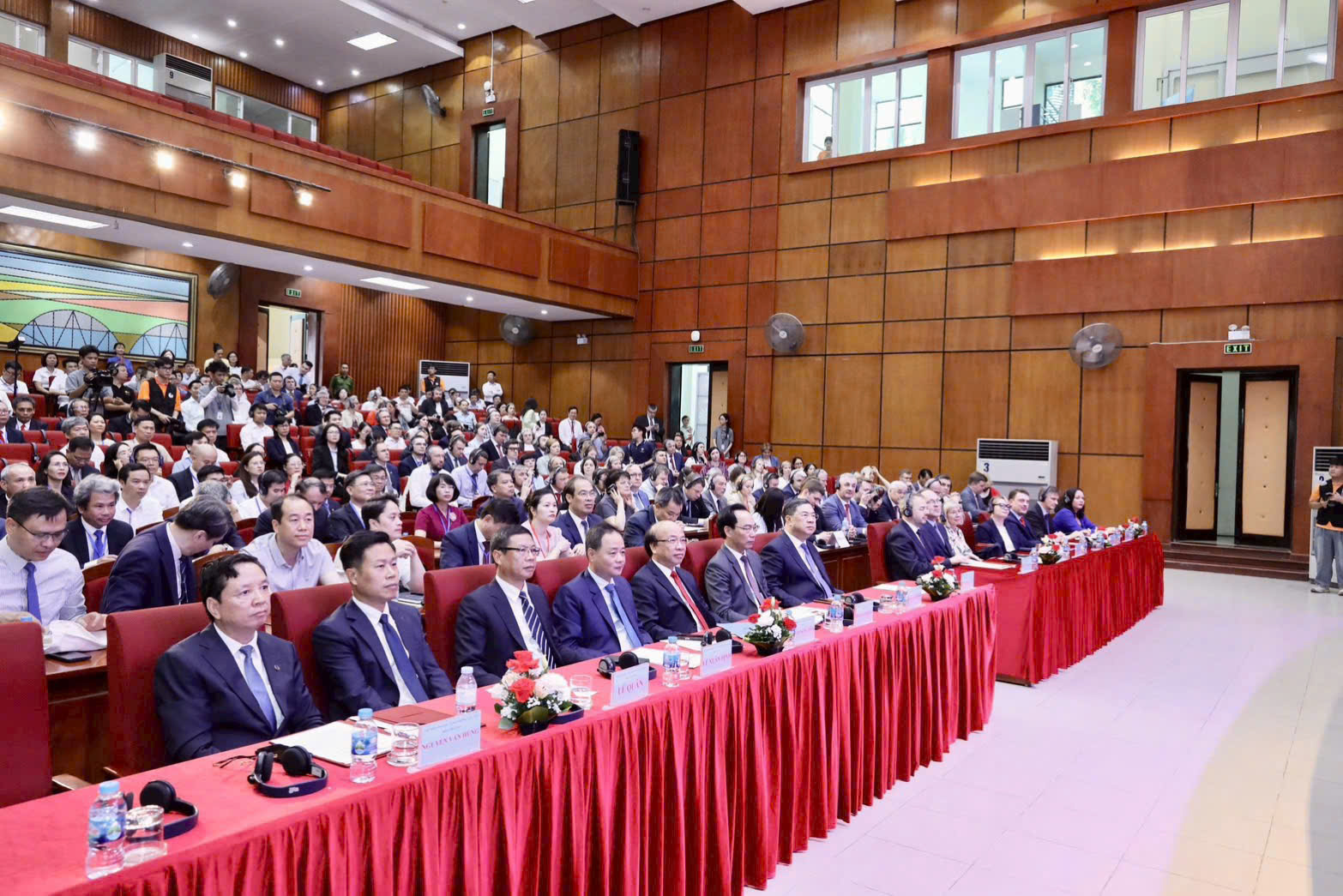
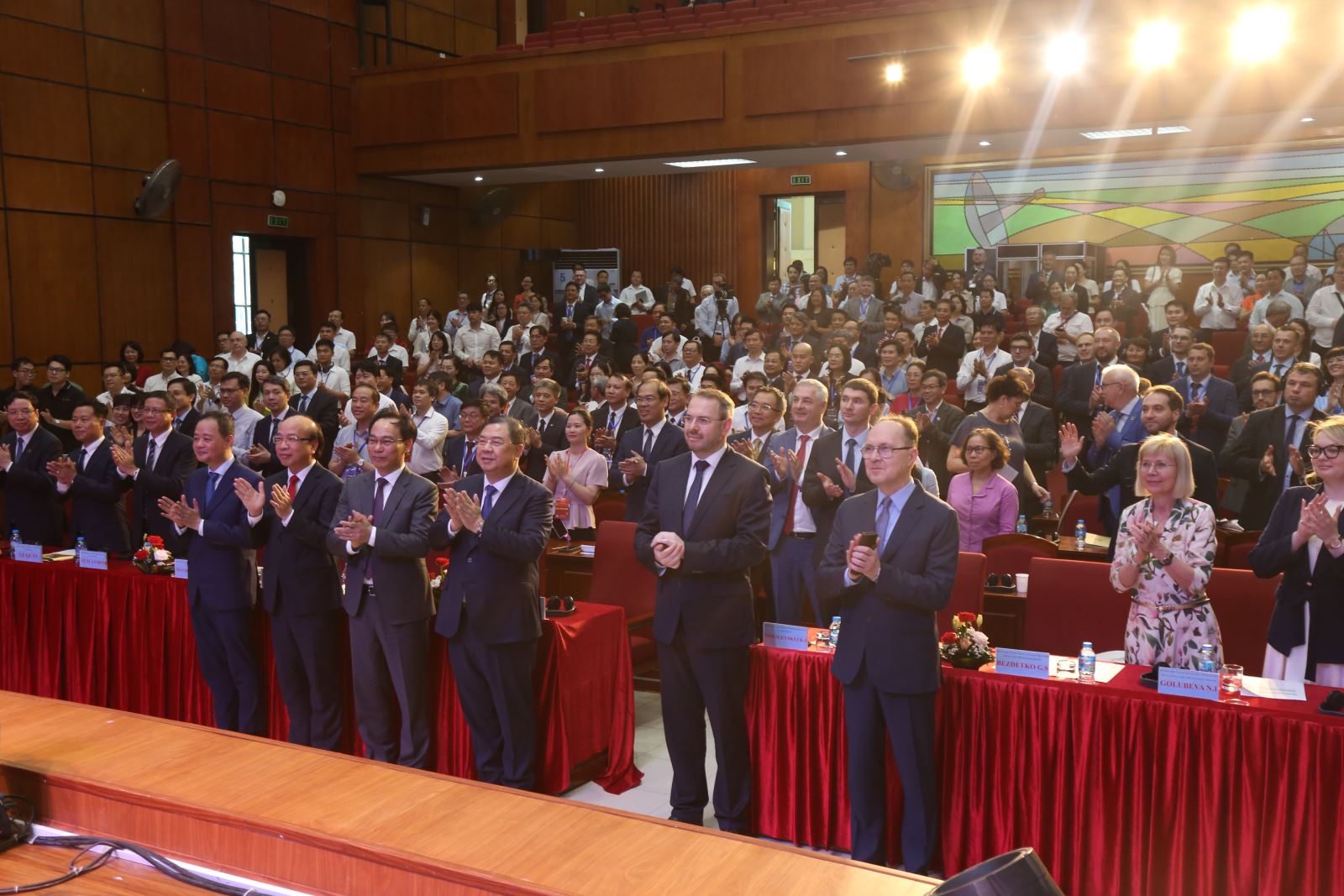
Conference delegates
The presence of numerous high-level leaders from both countries demonstrated that higher education continues to be regarded as one of the key pillars of the traditional friendship and strategic cooperation between Vietnam and the Russian Federation.
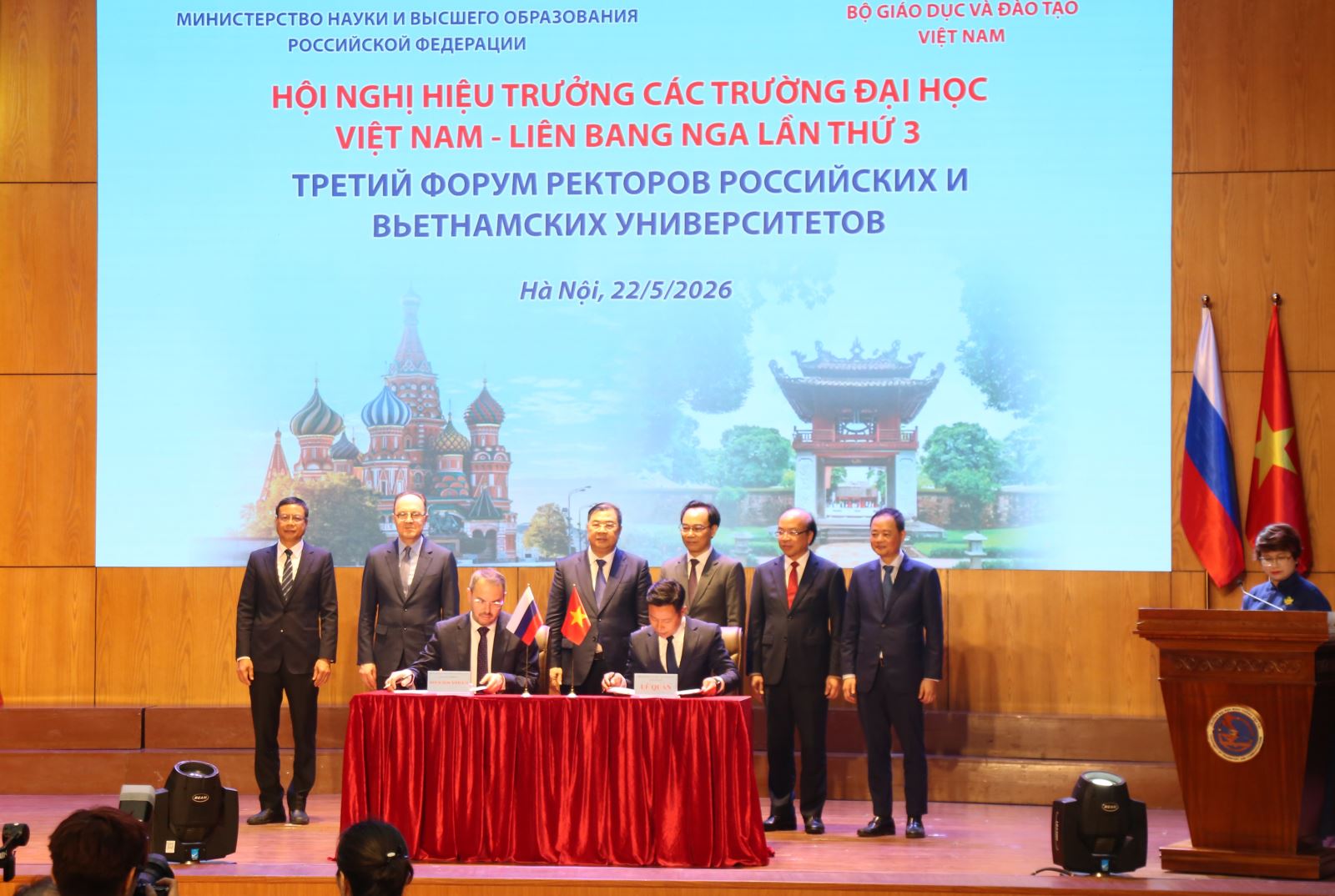
Signing of a Vietnam–Russia Cooperation Agreement on the A.S. Pushkin Russian Language Center
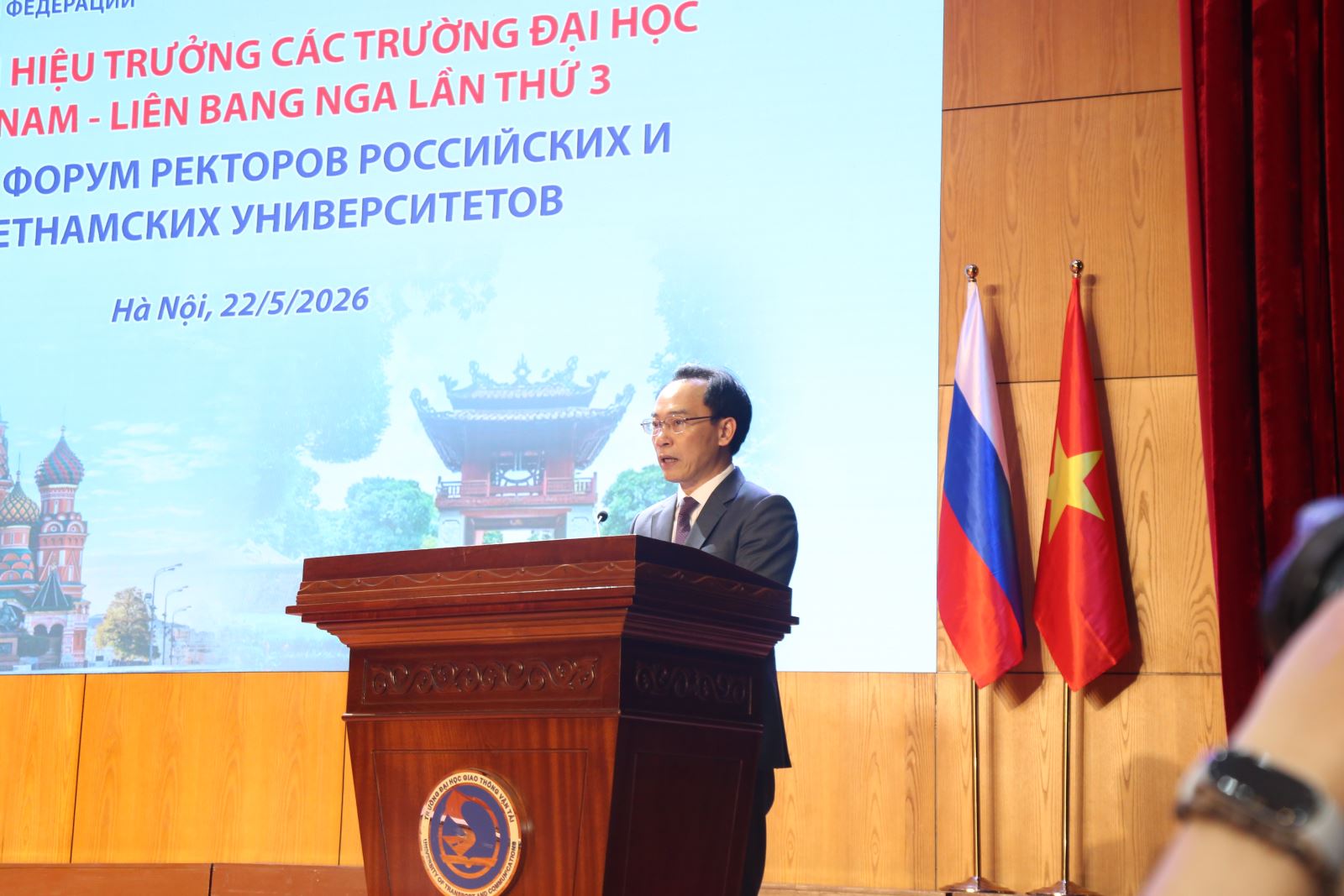
Minister of Education and Training Hoang Minh Son delivers his remarks
Minister of Education and Training Hoang Minh Son expressed his pleasure, on behalf of the Ministry of Education and Training of the Socialist Republic of Vietnam, to address the 3rd Vietnam–Russian Federation Rectors’ Conference. He noted that the event was held at the University of Transport and Communications (UTC), one of Vietnam’s leading technical universities, where many generations of lecturers and scientists have received their education and training in the Russian Federation and, previously, the Soviet Union.
Minister Hoang Minh Son emphasized the special significance of the event, noting that it would help promote cooperation in education and training between the two countries while serving as a major highlight in the series of activities for the Vietnam–Russian Federation Year of Science and Education 2026. This year’s Conference brought together 62 higher education institutions from the Russian Federation and 68 higher education institutions from Vietnam. With more than 400 cooperation agreements currently in force and nearly 50 new cooperation agreements signed during this Conference, it can be affirmed that higher education cooperation between the two countries is developing in a dynamic, substantive, and highly promising manner.
Educational and training cooperation between Vietnam and the Russian Federation is rooted in the strong foundation of the traditional friendship between Vietnam and the former Soviet Union, which has been carefully nurtured by generations of leaders and people of the two countries over many decades. Throughout Vietnam’s development, the former Soviet Union and, today, the Russian Federation have trained tens of thousands of Vietnamese scientists, engineers, specialists, and managers. Many Vietnamese leaders, leading scientists, and key officials have grown through the educational and scientific environment of the Russian Federation. This is a valuable, shared asset and a strong, enduring bridge that continues to connect the two nations in their loyal and long-standing friendship.
In recent years, the Russian Federation has continued to offer Vietnam approximately 1,000 scholarships annually. At present, more than 6,000 Vietnamese students are studying at over 160 educational institutions across different levels of education in the Russian Federation, including around 3,000 students under intergovernmental scholarship programs. These figures demonstrate the Russian Federation’s strong commitment to supporting Vietnam’s human resource development. They also reaffirm that education and training continue to be a traditional, strategic, and highly promising area of cooperation between the two countries.
With the goal of becoming a developed, high-income country by 2045, Vietnam has identified the development of high-quality human resources in science, technology, and innovation as a strategic breakthrough. Against the backdrop of profound global transformations driven by trends such as artificial intelligence (AI), semiconductors, and the green economy, elevating cooperation with a leading education and science hub such as the Russian Federation has become an essential imperative.
The participation of 62 Russian universities, together with the signing of nearly 50 cooperation agreements, marks an important milestone, reflecting the political trust and shared determination of both countries to enhance the quality of their human resources. To deepen and further substantiate this cooperation, universities should focus on several key priorities: Establish joint research centers in strategic fields such as AI, semiconductors, digital technology, healthcare, and environmental studies; Develop two-way technology transfer mechanisms between scientists and researchers from the two countries; Promote faculty and student exchanges and optimize the implementation of intergovernmental scholarship programs; Form internationally excellent research groups, promote joint supervision of doctoral students, and strengthen connections with businesses to foster innovation and entrepreneurship; Advance the internationalization of higher education through joint training programs and cross-border branch campuses; Accelerate digital transformation and develop flexible learning models and lifelong learning opportunities.
The Ministry of Education and Training of Vietnam is committed to further improving the institutional framework, creating a favorable environment, and working closely with the Ministry of Science and Higher Education of the Russian Federation to support higher education institutions in effectively implementing their cooperation agreements, thereby bringing the traditional friendship between the two countries to new heights.
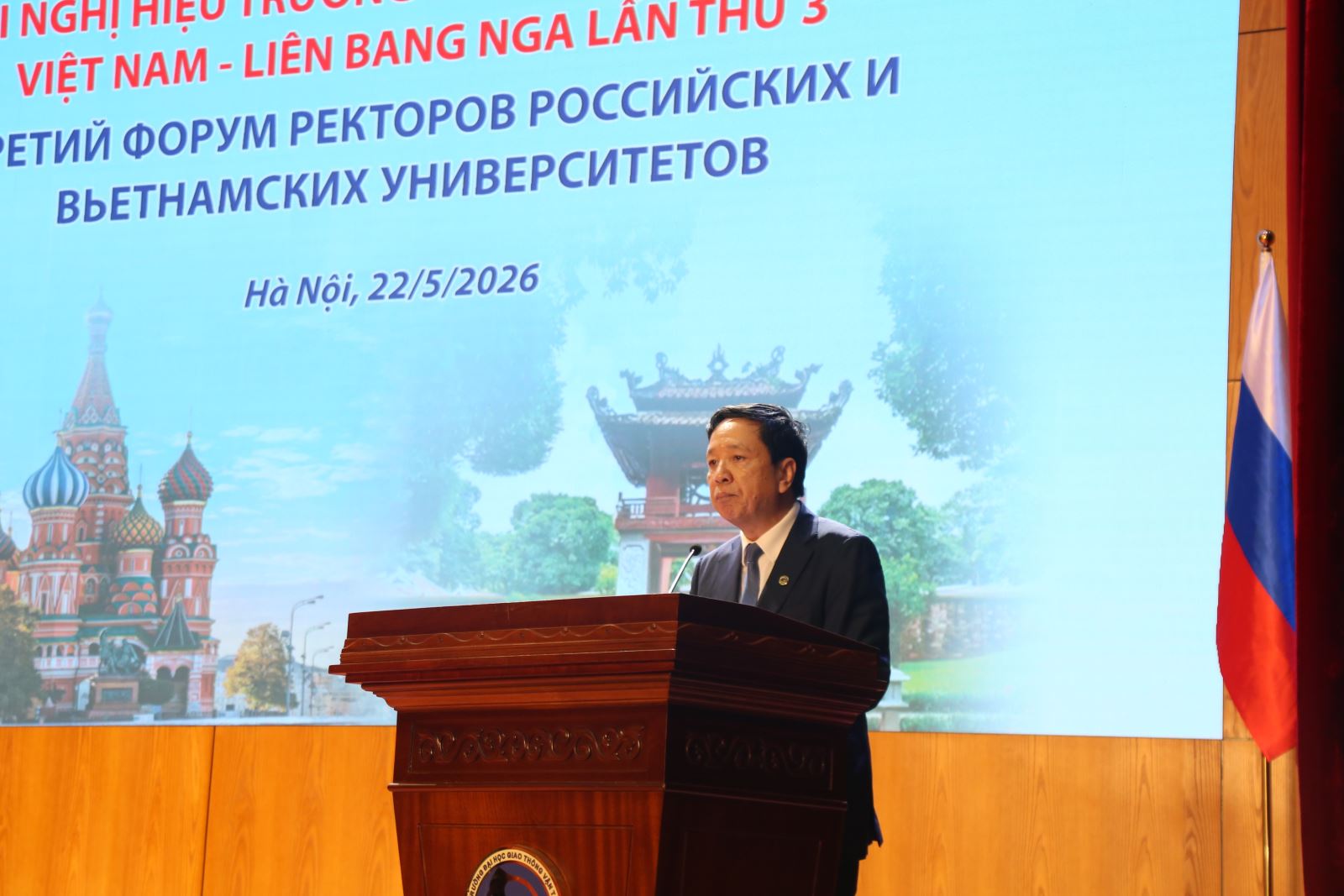
Assoc. Prof. Dr. Nguyen Van Hung, President of the University of Transport and Communications, delivers his remarks.
Speaking at the Conference, Assoc. Prof. Dr. Nguyen Van Hung, President of the University of Transport and Communications, expressed his honor that the Ministry of Education and Training had entrusted the University with hosting the 3rd Vietnam–Russian Federation Rectors’ Conference. He also reaffirmed the particularly deep-rooted historical relationship between the two countries. For many decades, the former Soviet Union and, today, the Russian Federation have provided Vietnam with significant and effective support in human resource development, scientific and technological advancement, and the construction of major national projects.
Entering a new stage of development, Vietnam has identified science and technology, innovation, digital transformation, and high-quality human resources as core drivers of sustainable growth. The country is prioritizing high-tech and strategic fields such as artificial intelligence, big data, digital twins, semiconductors, and, in particular, high-speed rail and urban rail systems. These are also areas in which Russia possesses significant expertise and strengths, opening up broad opportunities for future cooperation.
As the leading institution of the Network of Centers of Excellence for Transportation Technology and Smart Infrastructure, the University of Transport and Communications has always regarded Russian universities as strategic partners. Looking ahead, the University hopes to deepen cooperation between higher education institutions in the two countries through joint research programs, collaborative laboratories, and initiatives addressing practical challenges faced by local communities. At the same time, it is essential to strengthen the “Triple Helix” cooperation model involving universities, government, and industry, thereby enabling Vietnamese universities to gradually decode, master, and develop advanced technologies.
Assoc. Prof. Dr. Nguyen Van Hung expressed his confidence that the Conference would generate practical directions and action programs, contributing to further deepening the Vietnam–Russian Federation Comprehensive Strategic Partnership, in line with the vision established by the high-level leaders of the two countries in May 2025.
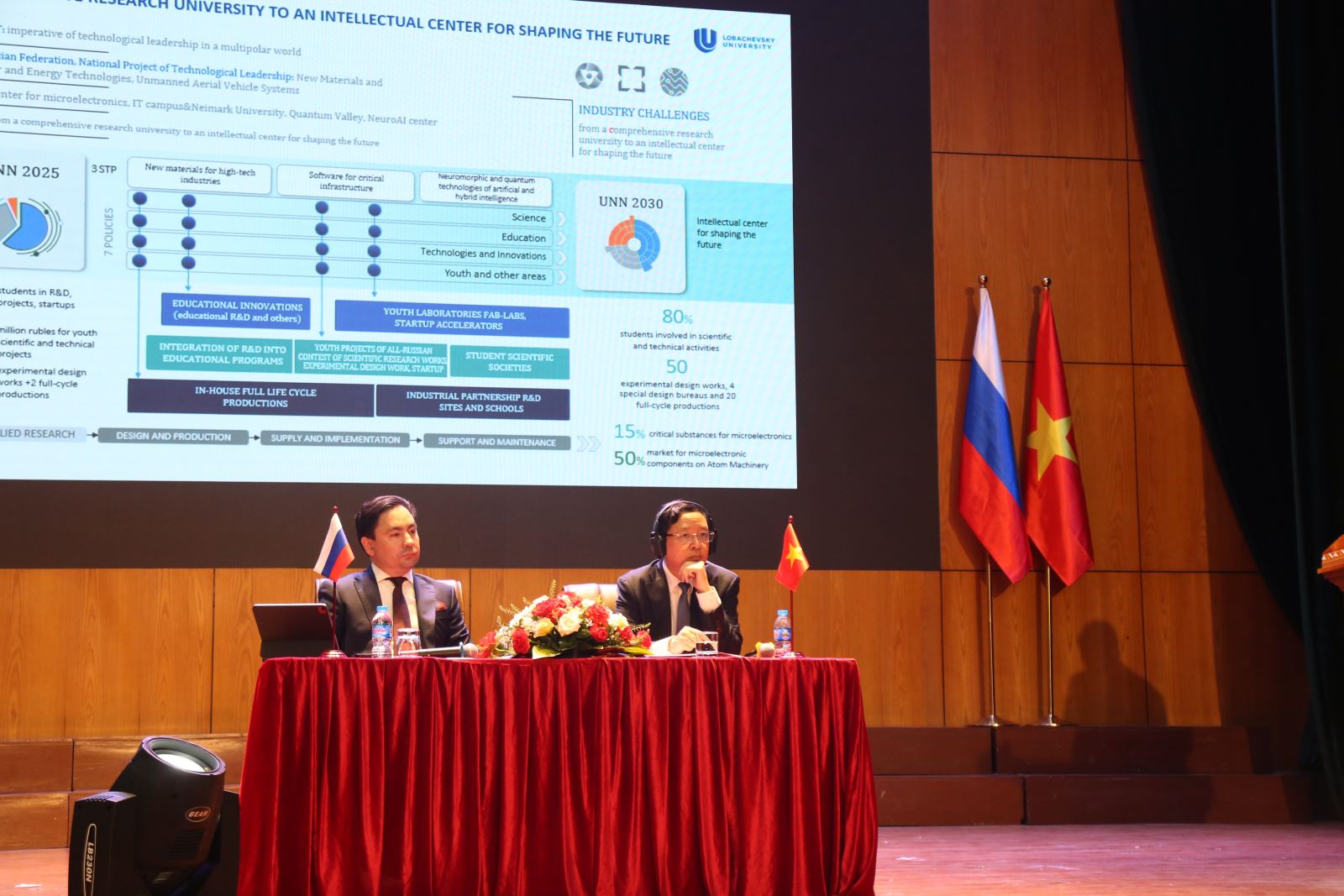
Assoc. Prof. Dr. Nguyen Van Hung, President of the University of Transport and Communications, chairs the discussion session on “Vietnam–Russia Cooperation in Education and Research in Natural Sciences, Engineering and Technology”
One of the major highlights of the Conference was the discussion session on “Vietnam–Russia Cooperation in Education and Research in Natural Sciences, Engineering and Technology.” Many of the leading Russian universities and research institutes participating in the Conference specialize in fields such as energy, engineering, mining, geology, construction, advanced technologies, and federal-level research. This reflects the Russian Federation’s efforts to further expand its academic engagement and influence in STEM fields, while Vietnam is also facing significant demand for high-quality human resources in strategic technology sectors, including artificial intelligence, energy, advanced materials, engineering, and infrastructure.
.jpg)
Delegates attending the discussion session on “Vietnam–Russia Cooperation in Education and Research in Natural Sciences, Engineering and Technology” take a commemorative photo.
Within the framework of the Conference, numerous cooperation agreements were signed between higher education institutions of the two countries. The University of Transport and Communications (UTC) signed a cooperation agreement with Tula State University (Russian Federation), with the aim of establishing a strategic framework for comprehensive collaboration in the fields of higher education, academic research, innovation, scientific development, and capacity building, in accordance with the applicable laws and regulations of the Russian Federation and Vietnam.
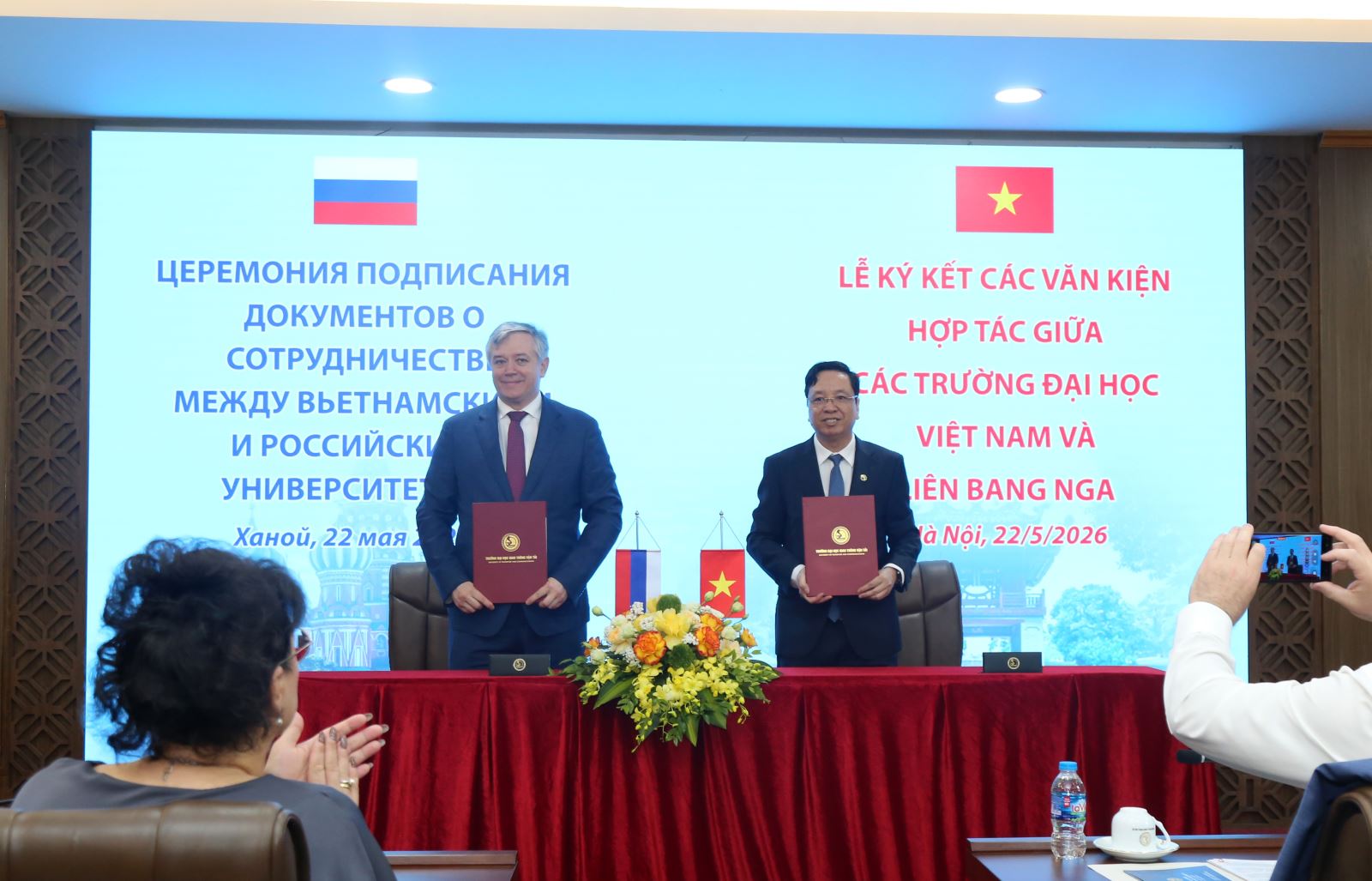
The University of Transport and Communications signs a cooperation agreement with Tula State University (Russian Federation).
As part of the Conference’s overall program, the Russian Federation Higher Education Fair was officially opened on the afternoon of May 22 and continued throughout May 23 at the University of Transport and Communications.
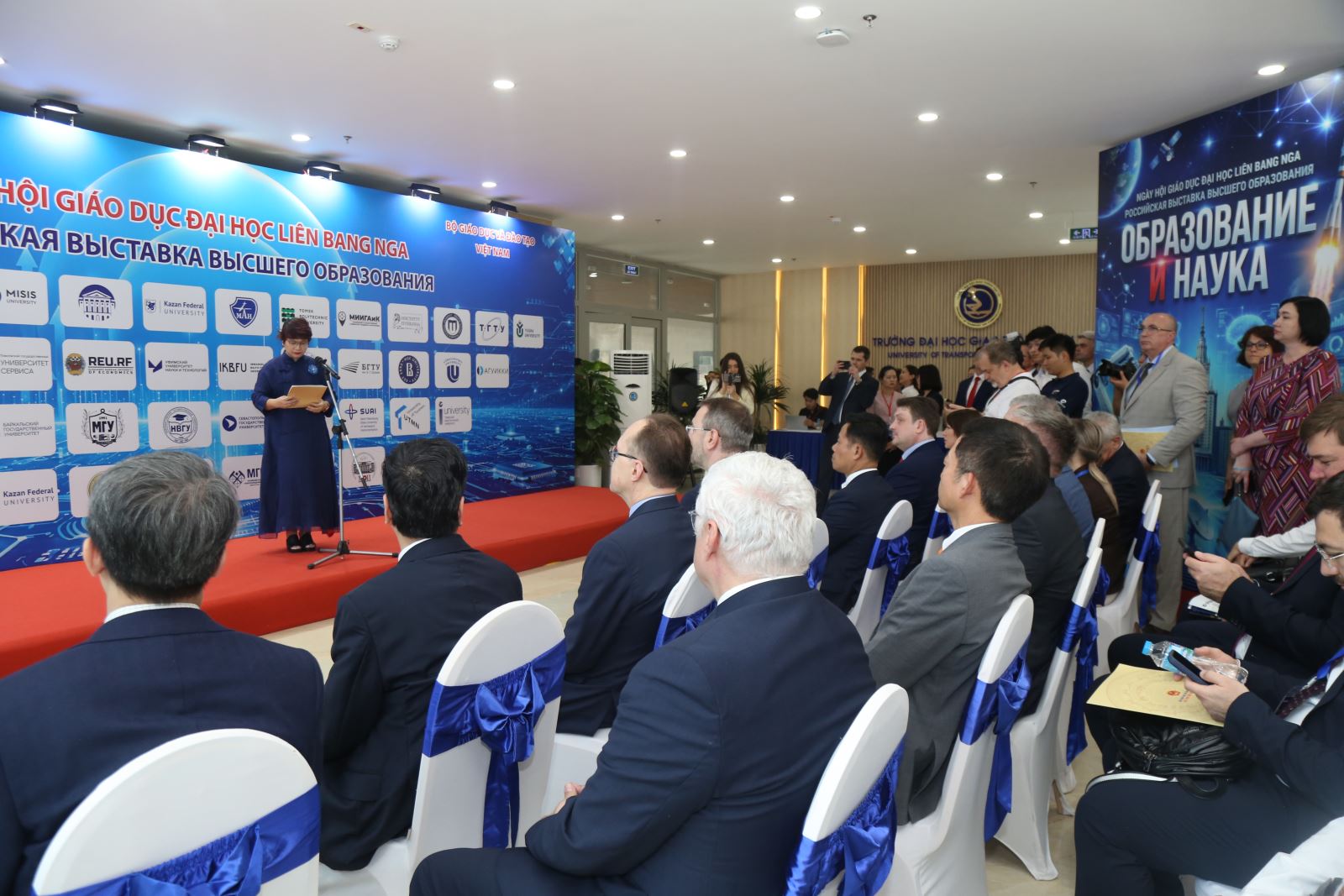
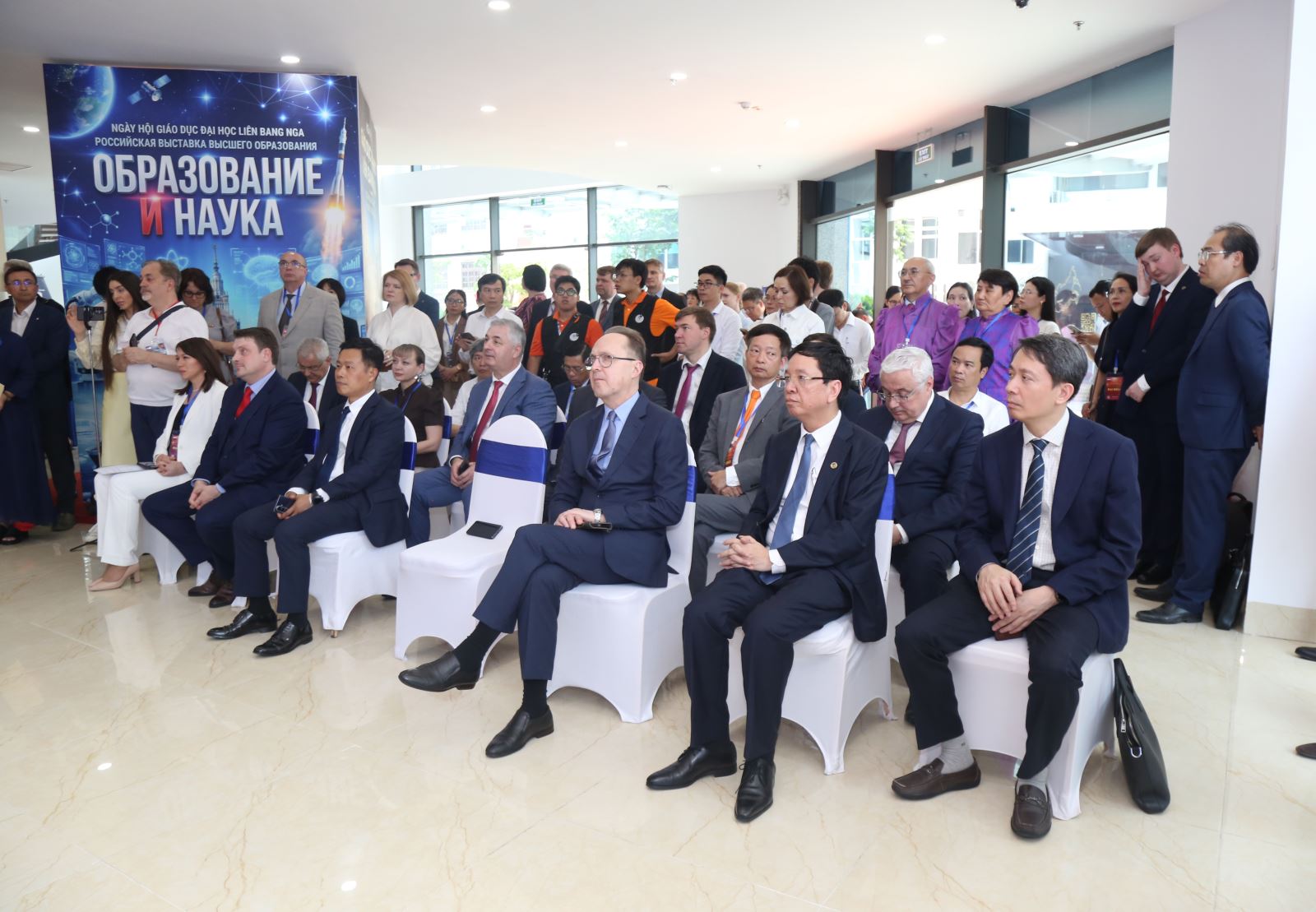
Opening ceremony of the Russian Federation Higher Education Fair.
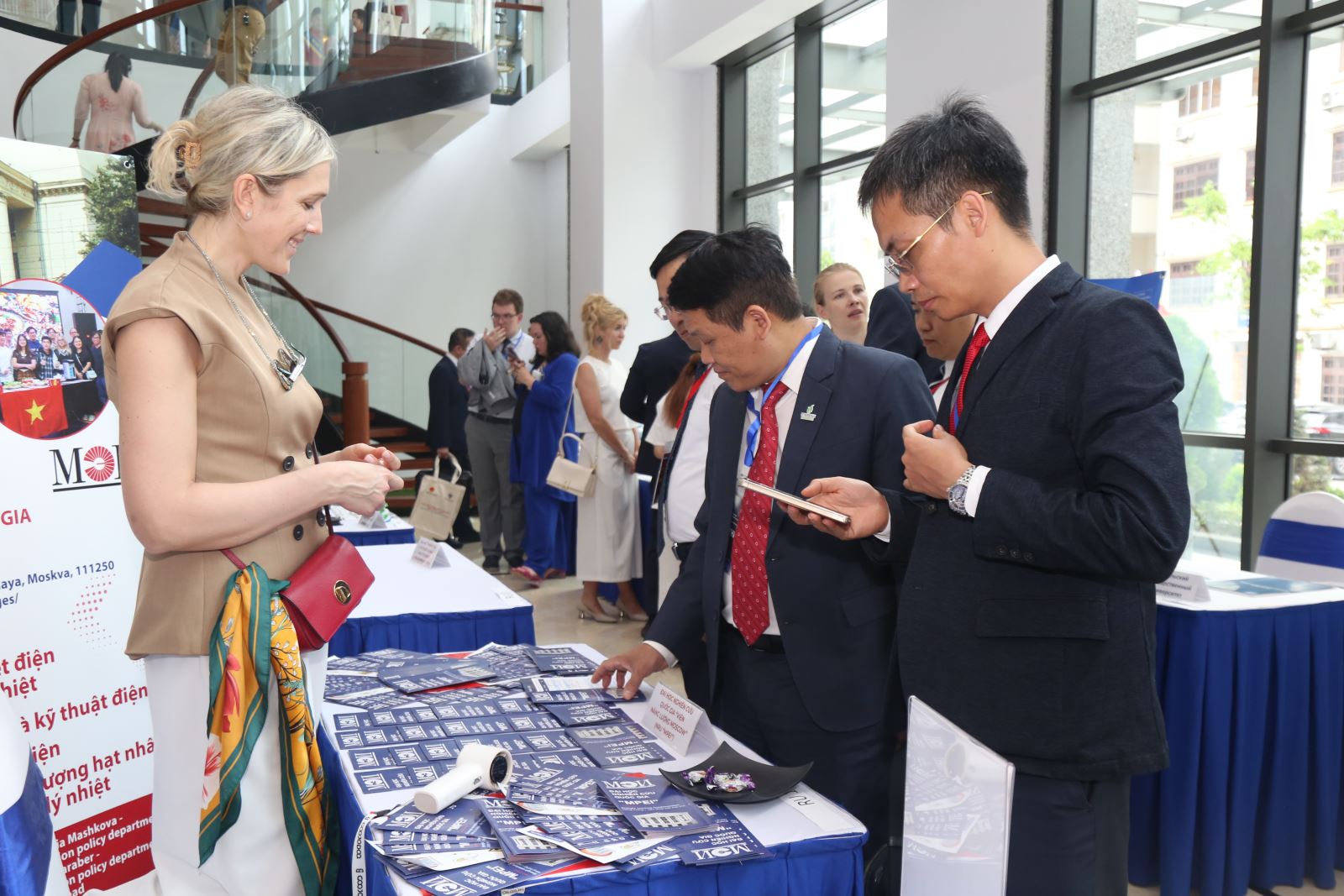
Delegates visit the exhibition area at the Russian Federation Higher Education Fair.
ICDS