
UTC and UniSQ Sign New Cooperation Agreement to Strengthen Collaboration in Aviation Engineering Education and Research
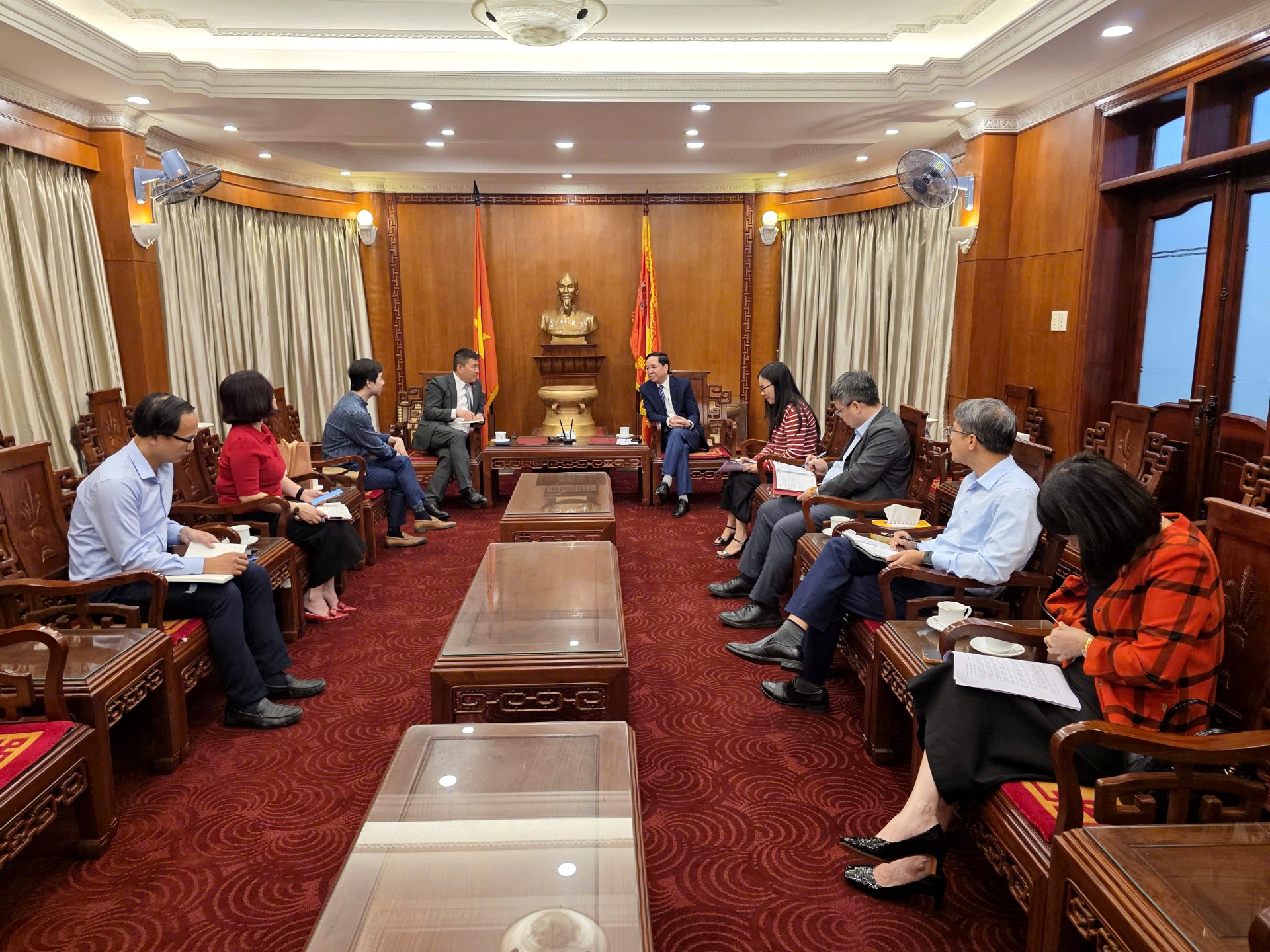
On the morning of November 9, 2026, Assoc. Prof. Dr. Nguyen Van Hung, President of the University of Transport and Communications (UTC), held a meeting with Prof. Ren Yi, Deputy Vice-Chancellor (International) of the University of Southern Queensland (UniSQ), Australia, to discuss and agree on future directions for cooperation between the two universities.
The UniSQ delegation included representatives of the University in Vietnam. Representing UTC were leaders of the Department of External Relations, the Faculty of Civil and Environmental Engineering, and the Office of International Education Programs.
At the meeting, Assoc. Prof. Dr. Nguyen Van Hung introduced UTC's strategic development orientations for the coming years and highlighted the important tasks assigned to the University by the Government and relevant ministries in developing highly qualified human resources, conducting scientific research and advancing technology. In particular, UTC is expected to strengthen its role as a key higher education institution in acquiring, mastering, reverse-engineering and developing strategic technologies to serve the country's priority sectors, including high-speed railways, artificial intelligence (AI), semiconductor technology and aviation.
President Nguyen Van Hung emphasized that, as Vietnam accelerates the development of science and technology, innovation and digital transformation in line with the major policies and orientations of the Party and the State, developing human resources and research capacity in the aviation sector is of particular importance. This field also offers significant potential for cooperation between the two universities, particularly in training engineers, experts and doctoral researchers, as well as implementing applied research activities to meet the development needs of Vietnam's aviation industry in the new era.
On behalf of UniSQ, Prof. Ren Yi highly appreciated UTC's potential and development orientations and expressed the University's strong interest in expanding bilateral cooperation in a practical, sustainable and in-depth manner. He introduced UniSQ's key strengths in education and research, particularly in aviation, advanced technologies and interdisciplinary research. Notably, UniSQ has a modern quantum research centre with outstanding research capabilities in this field, providing favourable conditions for expanding research collaboration in advanced technologies, data science and related areas.
Both universities expressed particular interest in strengthening cooperation in aviation engineering, with joint education and scientific research identified as the key priorities. Accordingly, the two sides will explore the development of joint degree programs under the 2+2 or 3+1 models. They will also consider postgraduate training initiatives, including proposing doctoral research areas for UniSQ to consider supporting through scholarships under Vietnam's Project 89.
In addition, the universities discussed the possibility of organizing short-term training courses in aviation management and engineering to meet the needs of relevant agencies, organizations and enterprises.
Beyond formal academic programs, both universities agreed to strengthen exchanges of lecturers, experts and researchers. UniSQ will nominate or recommend experienced professors and specialists to deliver lectures, thematic seminars and knowledge-sharing sessions at UTC, either online or in person, particularly as part of short-term courses and specialized training programs.
The two sides also considered implementing an approximately four-week internship program for UniSQ engineering students at UTC, while expanding student exchange, study visits and short-term internship opportunities through appropriate international cooperation schemes, including the Australian Government's New Colombo Plan Mobility Program.
In scientific research, the two universities plan to jointly develop proposals for one to two collaborative research projects from 2027 onwards, focusing on areas of shared interest and expertise, including aviation engineering, artificial intelligence, data science, remote sensing, cybersecurity, semiconductor technology and materials science.
They also discussed the possibility of regularly organizing international scientific conferences to connect lecturers, researchers, experts and industry representatives, foster the establishment of joint research groups and promote the development of research outcomes with practical applications.
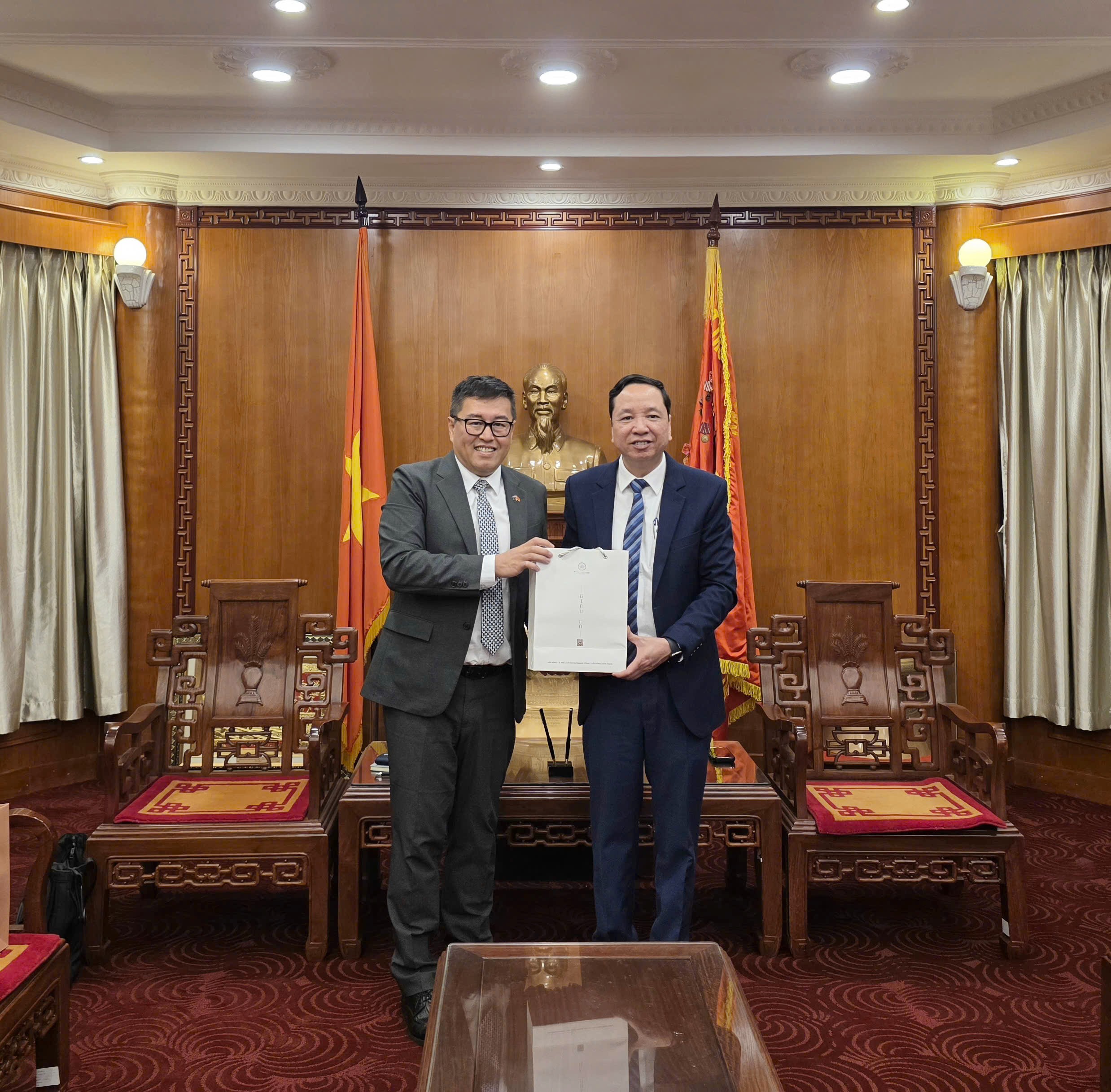
A key highlight of the meeting was the discussion and signing of a new Cooperation Agreement by the Presidents of both universities, establishing a framework for translating the agreed cooperation orientations into concrete programs and activities in the coming years.
The agreement reflects the commitment of both university leaders to strengthening their partnership, expanding learning, research and academic exchange opportunities for lecturers and students, and leveraging each institution's respective strengths and resources.
The meeting and the signing of the new Cooperation Agreement between UTC and UniSQ mark an important milestone in the University's international cooperation efforts, particularly as Vietnam prioritizes the development of strategic technology sectors and highly qualified human resources to support infrastructure, transport and aviation development.
The agreed cooperation initiatives will not only create opportunities for UTC to access Australia's advanced knowledge and technologies but also contribute to enhancing the University's educational and research capacity and international integration, ultimately supporting the sustainable development of Vietnam's transport sector and the country as a whole.
Highlights of the meeting:
Related Articles
Students majoring in Applied Mathematics at UTC’s Faculty of Information Technology win the Second Prize at the 2026 Student Science and Technology Awards
DetailUniversity of Transport and Communications Concludes the Third-Cycle Institutional External Quality Assessment
DetailUniversity of Transport and Communications Launches the Third-Cycle External Assessment of Institutional Quality
Detail