
President of the University of Transport and Communications meets with Leading Russian Universities to Promote Cooperation in Strategic Technologies
Part 1: Activities in Moscow
From October 26 to 28, 2026, a delegation from the University of Transport and Communications (UTC), led by Assoc. Prof. Dr. Nguyen Van Hung, Secretary of the Party Committee and President of UTC, held working meetings with the leadership and experts of three Russian higher education institutions renowned for their strengths in transport and transportation engineering in Moscow: Moscow Automobile and Road Construction State Technical University (MADI), Moscow Aviation Institute (MAI), and Russian University of Transport (RUT-MIIT).
The visit aimed to promote substantive cooperation among the universities, linking education with scientific research, technology transfer, and the development needs of Vietnam's transport sector.
Strengthening Cooperation in Education and Research with MADI
At MADI, the UTC delegation was warmly welcomed by Prof. Artem Ivanovich Azhgirevich, Rector of MADI, together with the Vice-Rectors in charge of international cooperation, academic affairs, and scientific research. The meeting took place in a warm and cordial atmosphere, made particularly special by the return of the UTC President to MADI, 21 years after he completed his doctoral studies at the university. The two sides exchanged views on their respective missions and development orientations for the new period, while discussing plans for cooperation in education and scientific research, as well as the continued development of a joint academic journal involving MADI, UTC, and Southwest Jiaotong University (SWJTU).
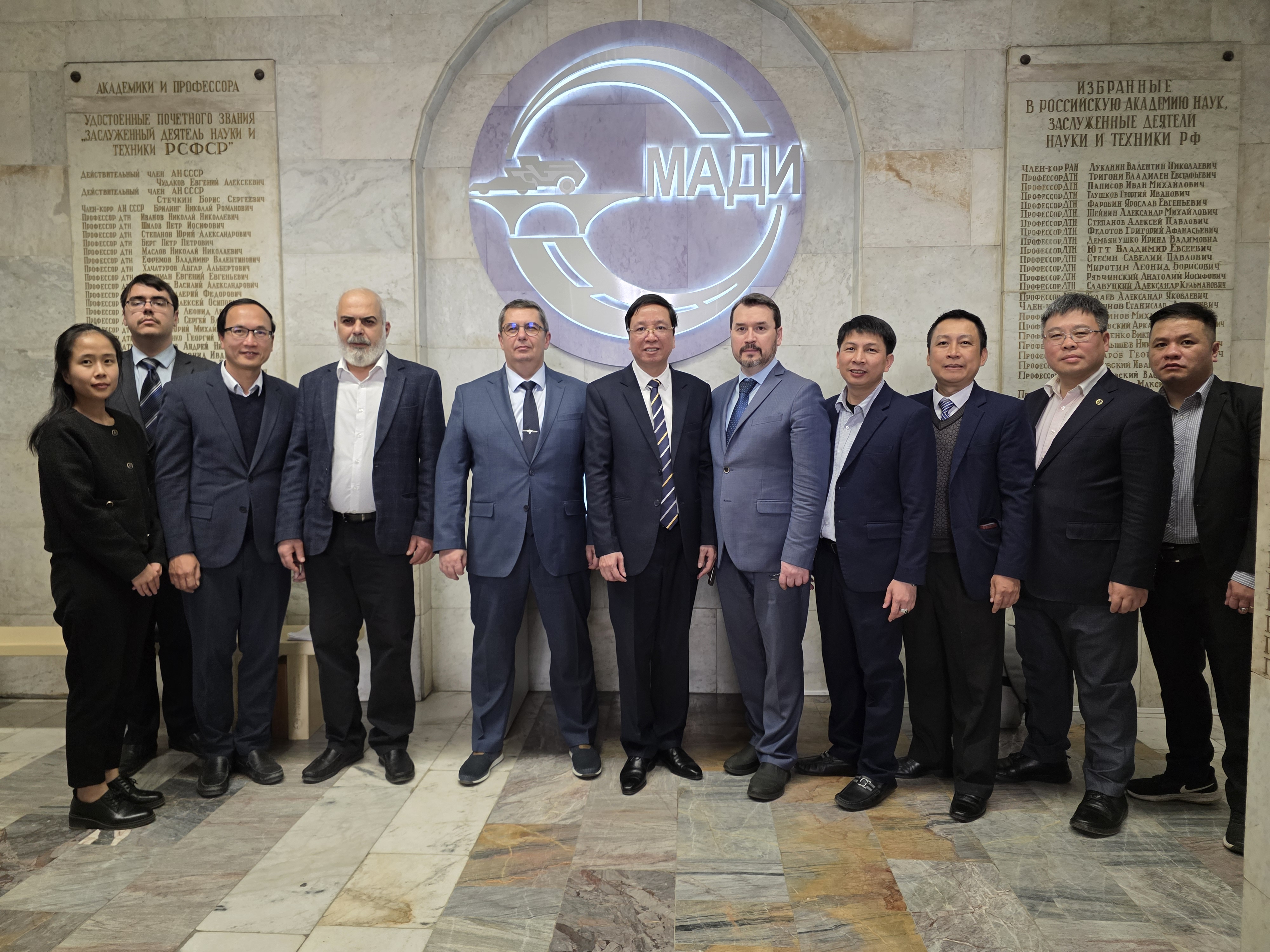
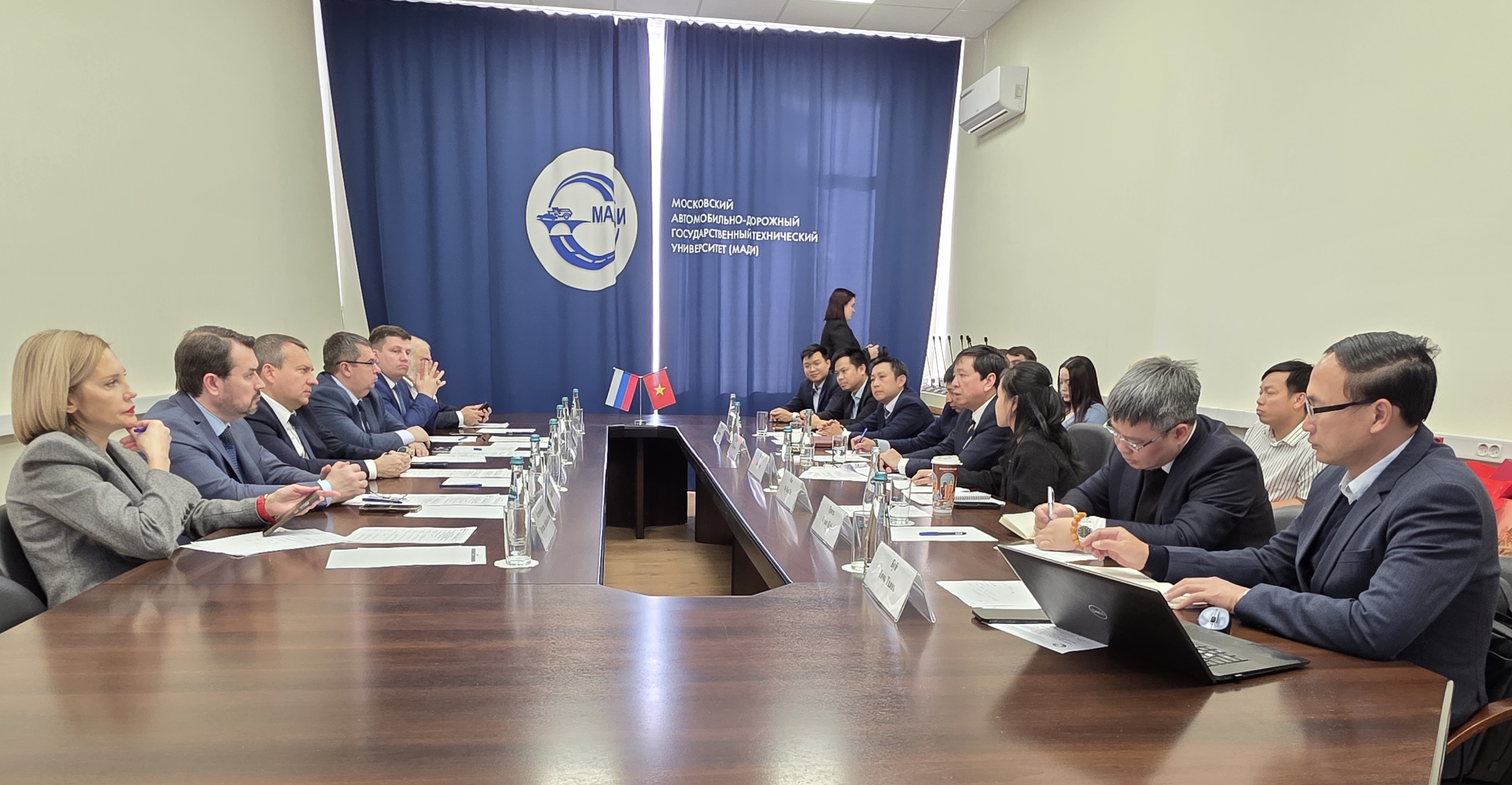
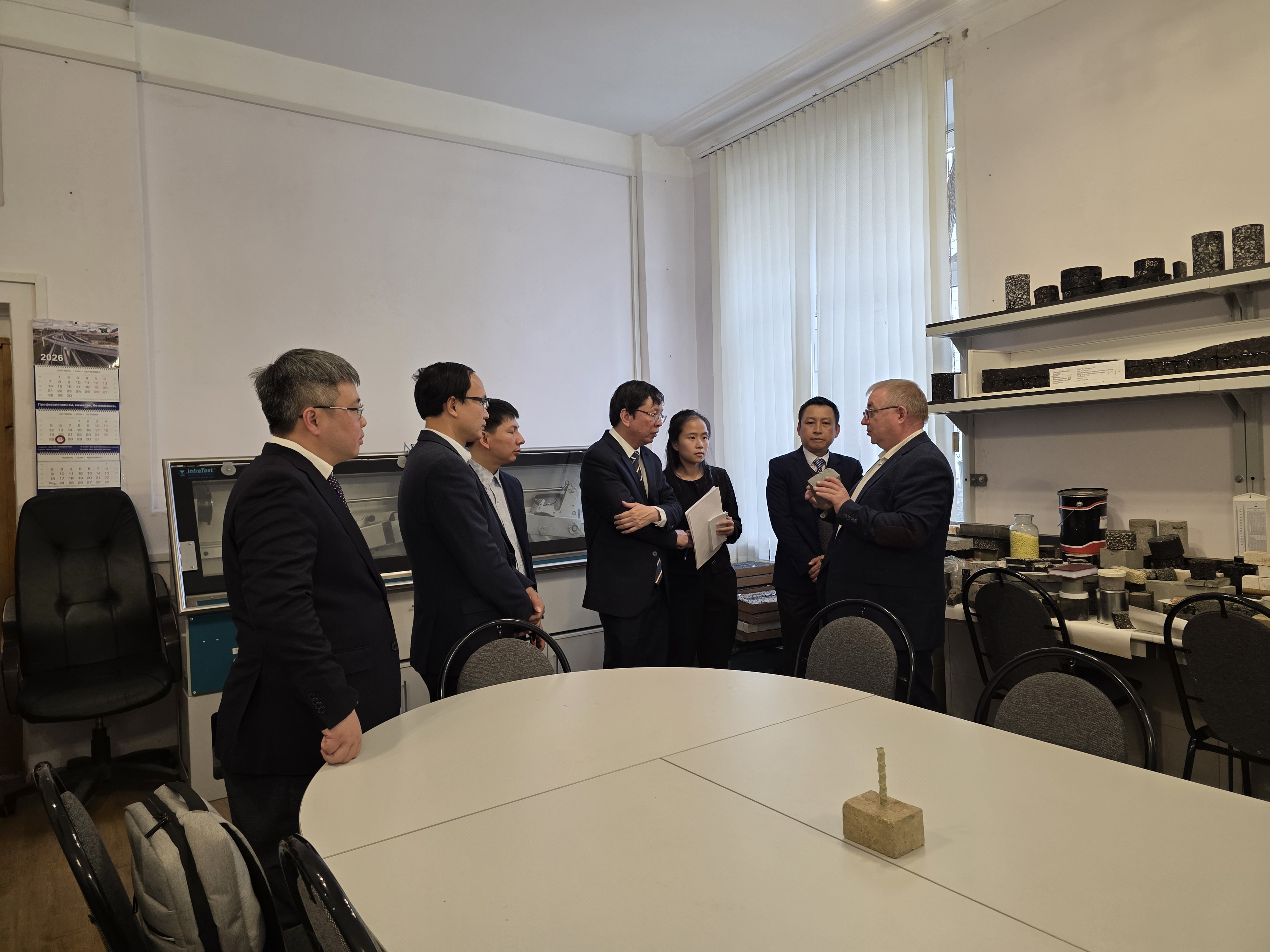
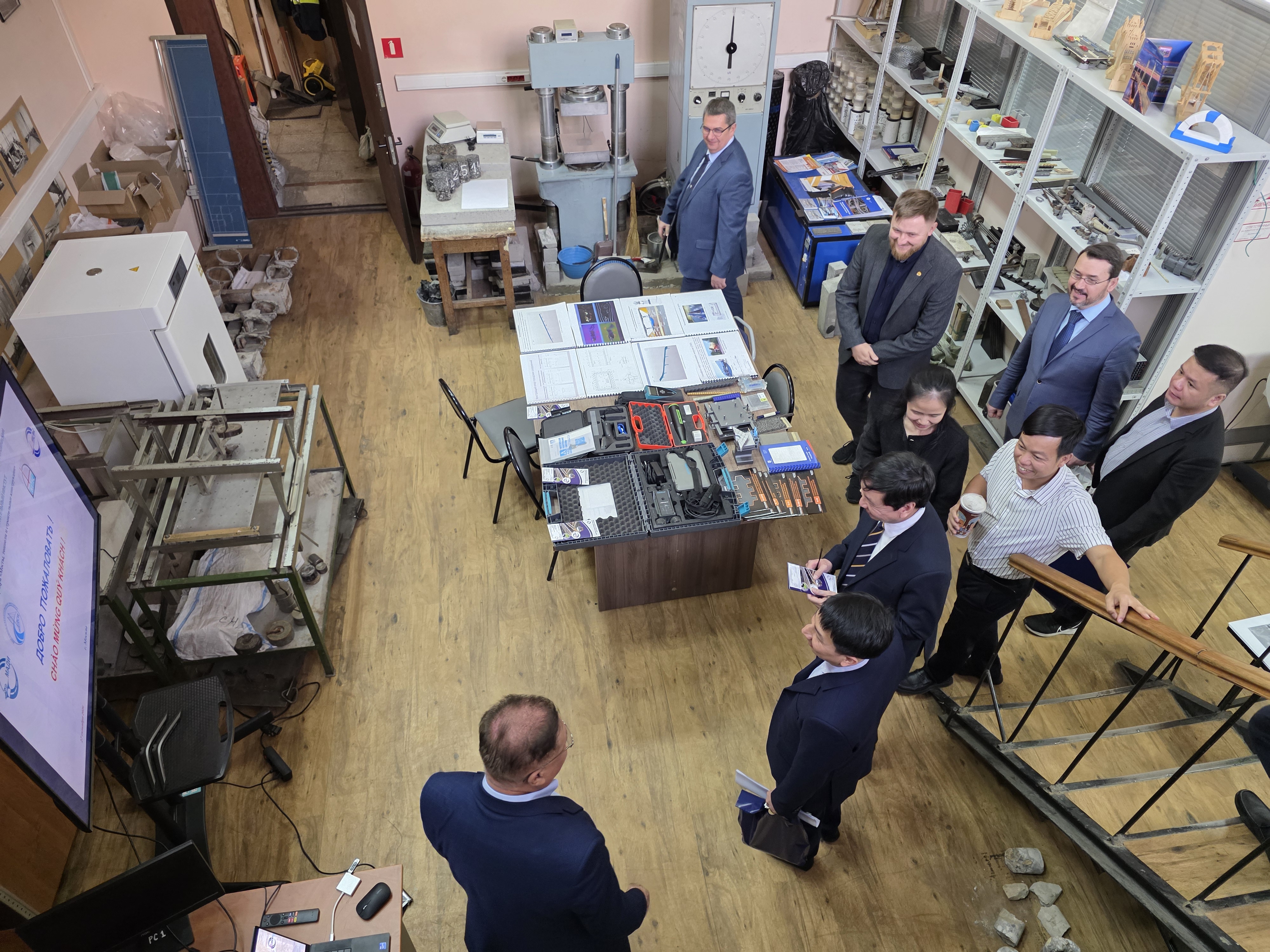
As part of the working programme, the delegation visited MADI’s specialized departments and laboratories, focusing on areas with strong potential for direct cooperation with UTC. At the units specializing in road construction materials and technologies, as well as road construction and operation, the delegation explored modified asphalt concrete technologies incorporating additives, together with testing equipment used to evaluate pavement resistance to rutting and deformation. The two sides discussed opportunities for joint research, the application of performance-based pavement design methods, and the use of experimental results to assess pavement conditions and develop data-driven solutions for transport infrastructure management and maintenance.
In the fields of bridge, tunnel, and underground construction, MADI experts introduced the delegation to their large-scale structural testing equipment, bridge strengthening solutions using carbon fibre-reinforced polymer (CFRP) composites and ultra-high-performance concrete (UHPC), as well as structural health monitoring systems equipped with sensors to measure strain, temperature, and acceleration. These technologies offer practical research applications for the inspection, safety assessment, and service-life extension of transport infrastructure in Vietnam. UTC proposed that the two universities explore joint research topics, including fatigue analysis of bridge structures and damage assessment of underground structures. The university also proposed creating opportunities for UTC doctoral students to participate in experimental research at MADI's laboratories.
In the fields of traffic organization, road safety, and intelligent transportation systems (ITS), the delegation was introduced to traffic flow simulation technologies, vehicle-to-vehicle (V2V) and vehicle-to-infrastructure (V2I) communication systems, as well as artificial intelligence (AI) applications for vehicle recognition, traffic congestion prediction, and traffic signal control optimization. The two sides discussed the potential for combining MADI's research strengths with real-world traffic data from Vietnam to develop solutions for traffic management and risk warning systems. Other topics discussed included hybrid and electric vehicles, automotive technologies, and logistics supply chain simulation.
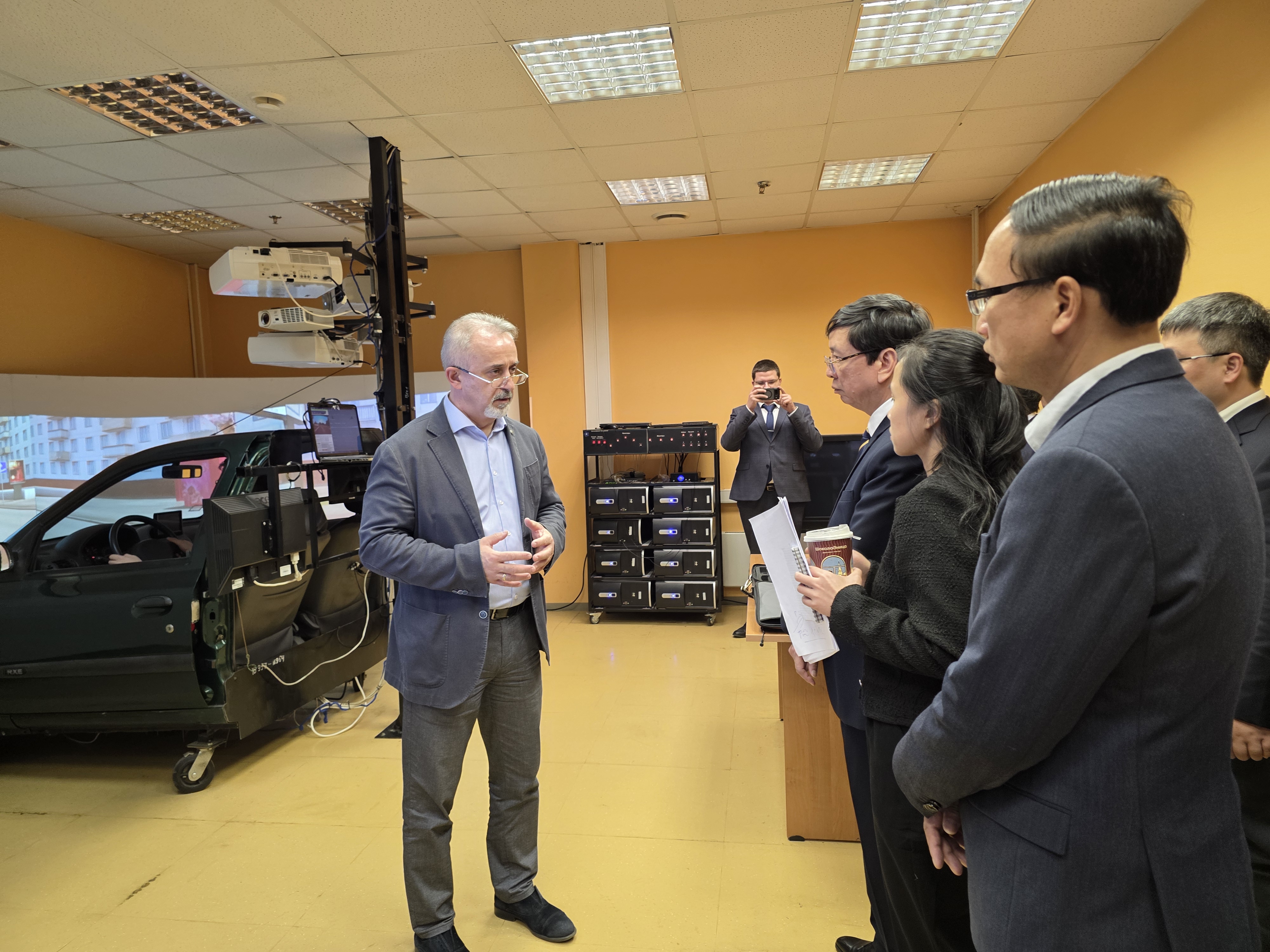
Cooperation with the Moscow Aviation Institute in Aviation and UAV Technologies
At the Moscow Aviation Institute (MAI), the UTC delegation was received and held working discussions with Prof. Andrey Vladimirovich Ivanov, Vice-Rector for Research. MAI has strong expertise in aviation, aerospace, and advanced engineering technologies, and maintains close research and educational partnerships with major Russian enterprises and technology organizations.
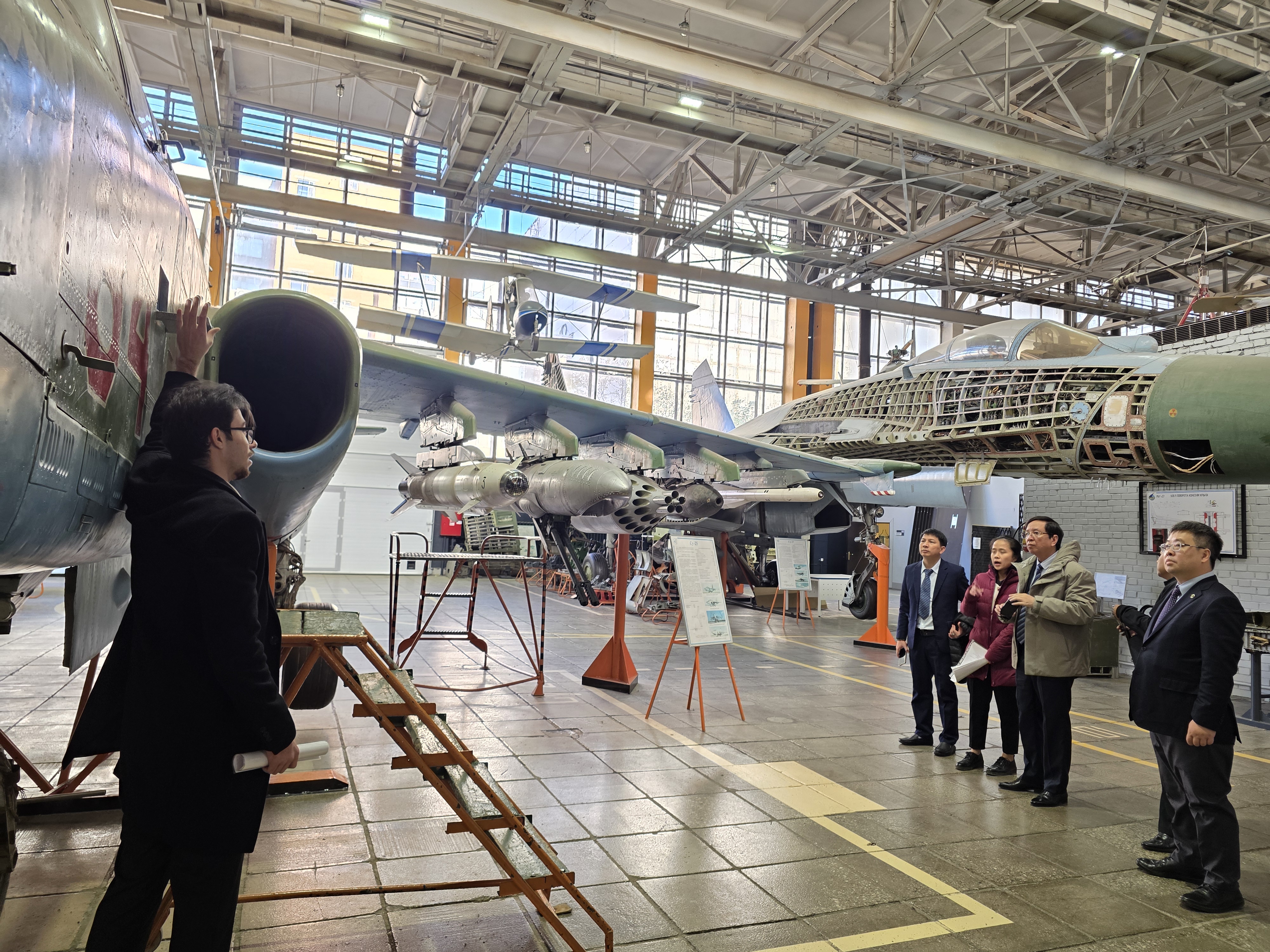
The delegation visited laboratories specializing in the design and certification of aviation equipment, where they explored collections of aircraft models, components, and structural assemblies used in engineering education. Of particular note was the delegation's visit to the “Almaz” orbital station at the Institute of Aerospace Engineering, which houses technical equipment and models supporting education and research in space technologies, control systems, and aeronautical and aerospace engineering. The visit provided UTC with valuable insights into MAI's facilities, training methodologies, and the potential use of specialized laboratories to support cooperation between the two universities.
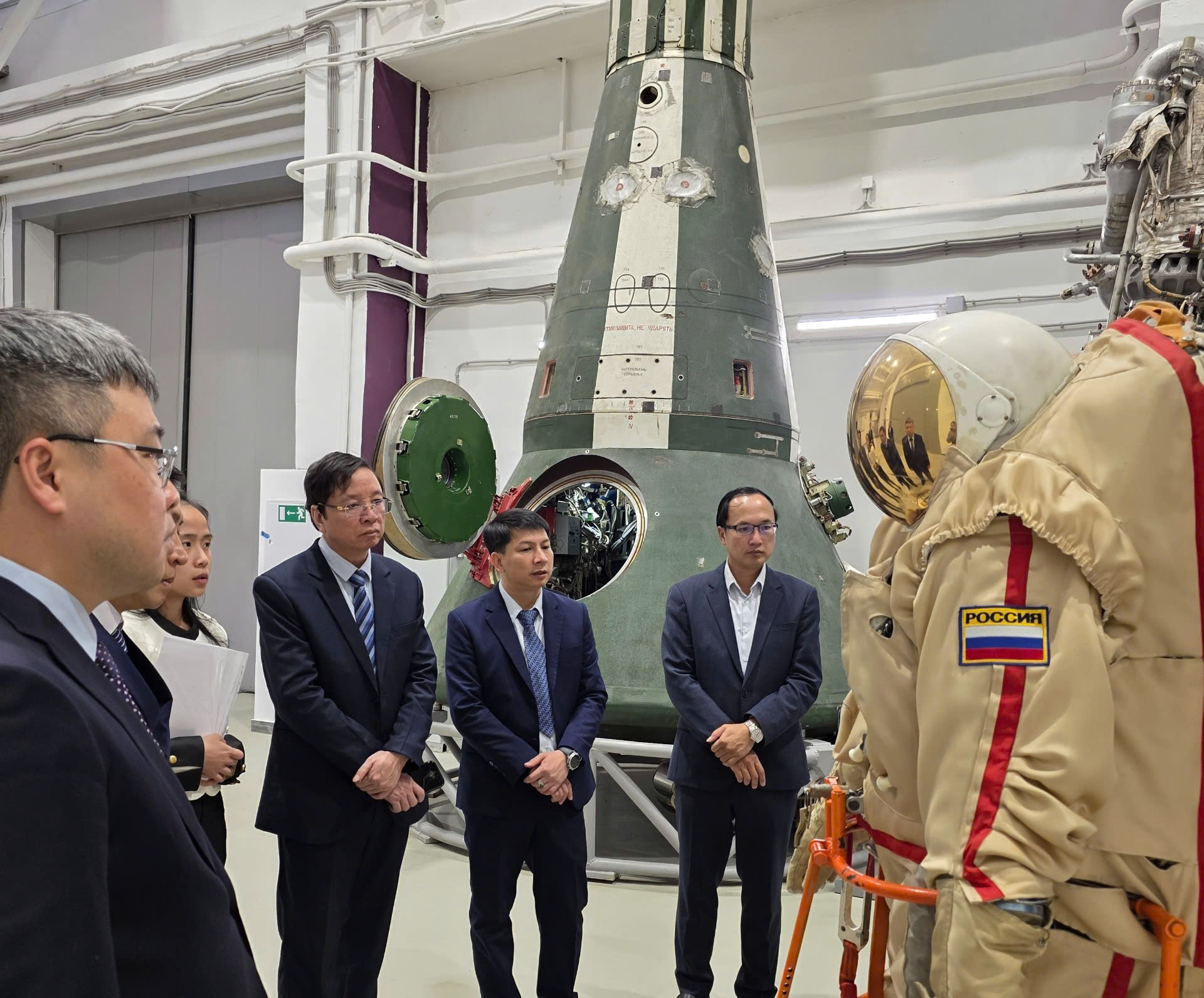
UTC proposed that MAI collaborate in developing academic programmes and providing faculty development and training to gradually establish an Aviation Engineering programme at UTC, with the aim of enrolling its first cohort of students in 2027. The two sides discussed various models of joint training and dual-degree programmes at both undergraduate and master's levels. They also explored the possibility of integrating digital learning resources and online learning platforms with periods of in-person study, practical training, and research at MAI.
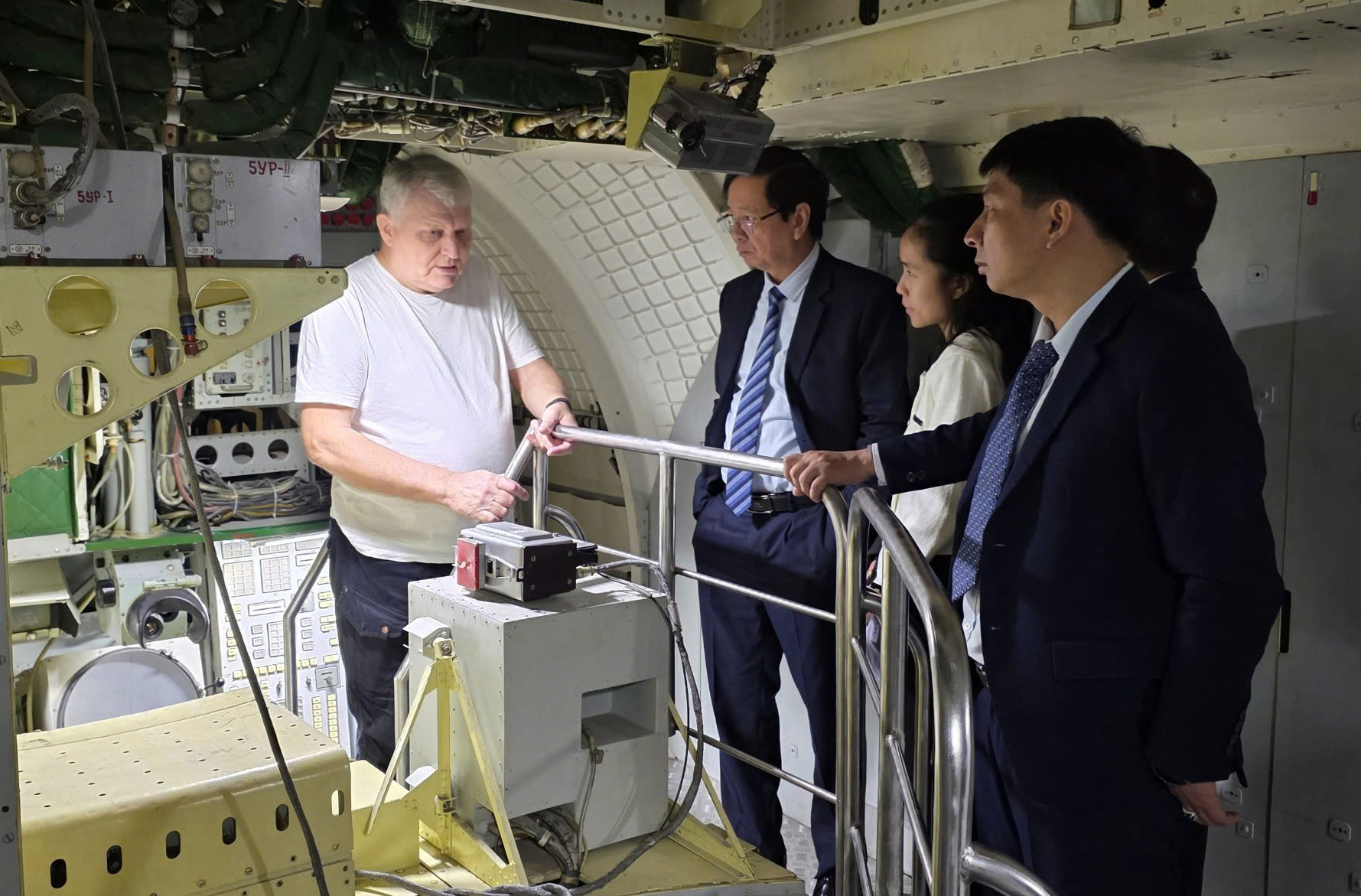
One of the key topics of mutual interest was the research and application of unmanned aerial vehicles (UAVs), drones, and electric vertical take-off and landing (eVTOL) aircraft. Potential applications include monitoring and inspecting transport infrastructure, supporting search and rescue operations during natural disasters, and developing urban logistics solutions. The two universities agreed that UAV technology represents a promising area for initiating research cooperation. They also discussed opportunities to integrate expertise in control technologies, artificial intelligence (AI), cybersecurity, and space technologies with practical challenges and real-world applications in the transport sector.
Strengthening Traditional Cooperation with the Russian University of Transport (RUT-MIIT)
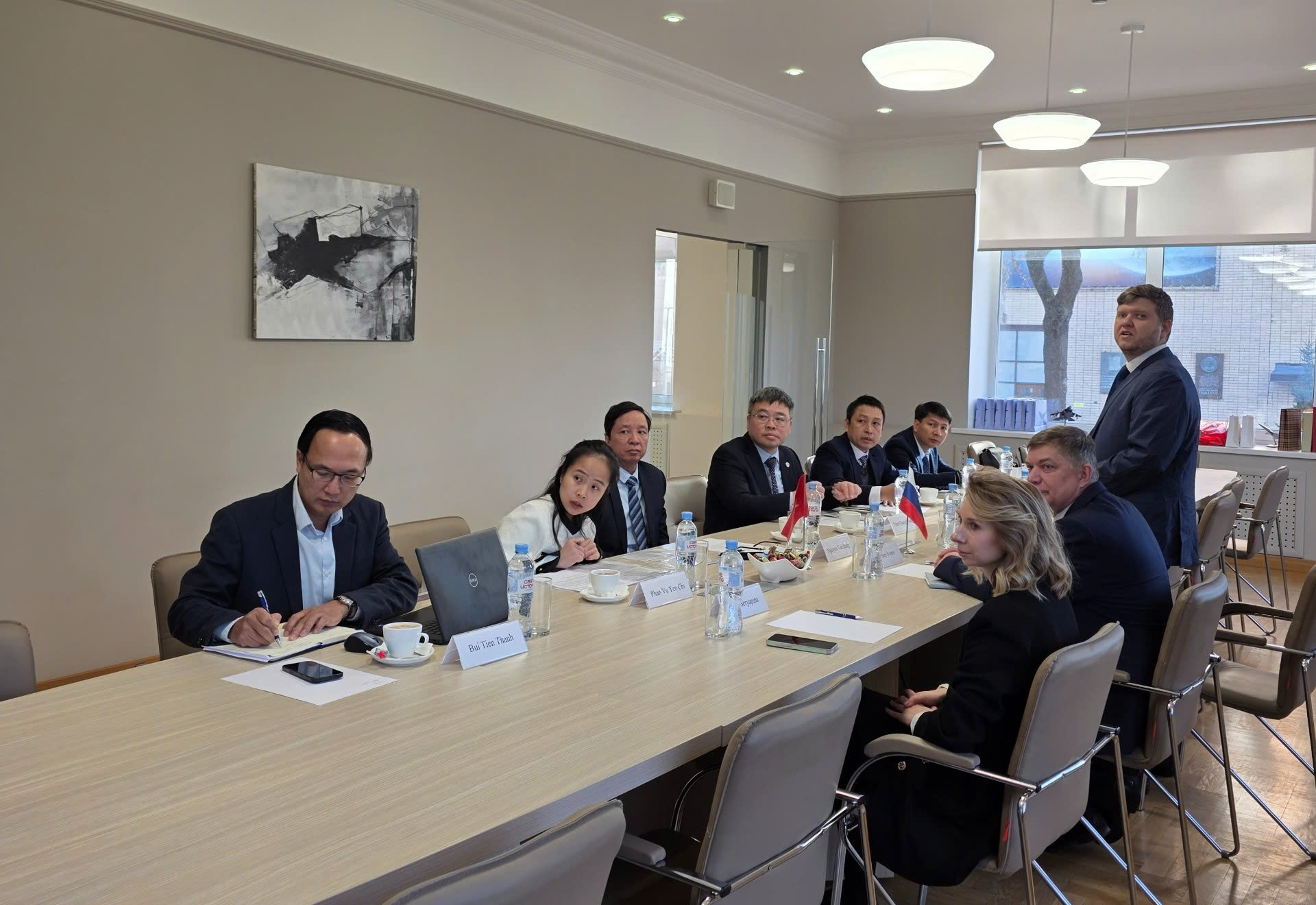
At the Russian University of Transport (RUT-MIIT), the UTC delegation held a working meeting with Prof. Aleksandr Klimov, President of the University. RUT-MIIT's leadership highlighted the university's achievements over more than 130 years of establishment and development, while emphasizing its longstanding cooperation with Vietnam. Since the 1950s, RUT-MIIT has trained generations of Vietnamese railway engineers, interns, and doctoral students. Many of its Vietnamese alumni now hold professional and managerial positions at government agencies, enterprises, and educational institutions across the transport sector.
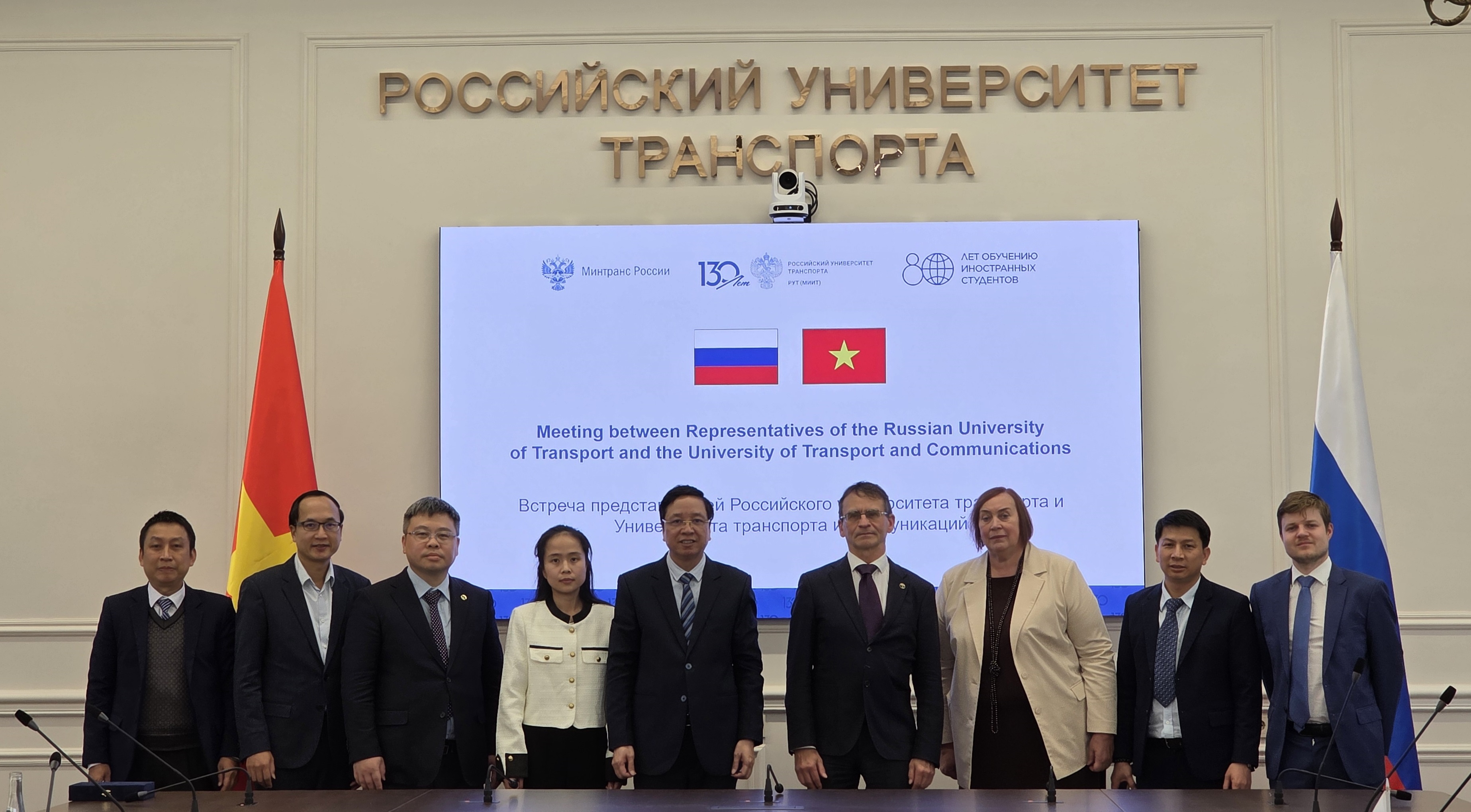
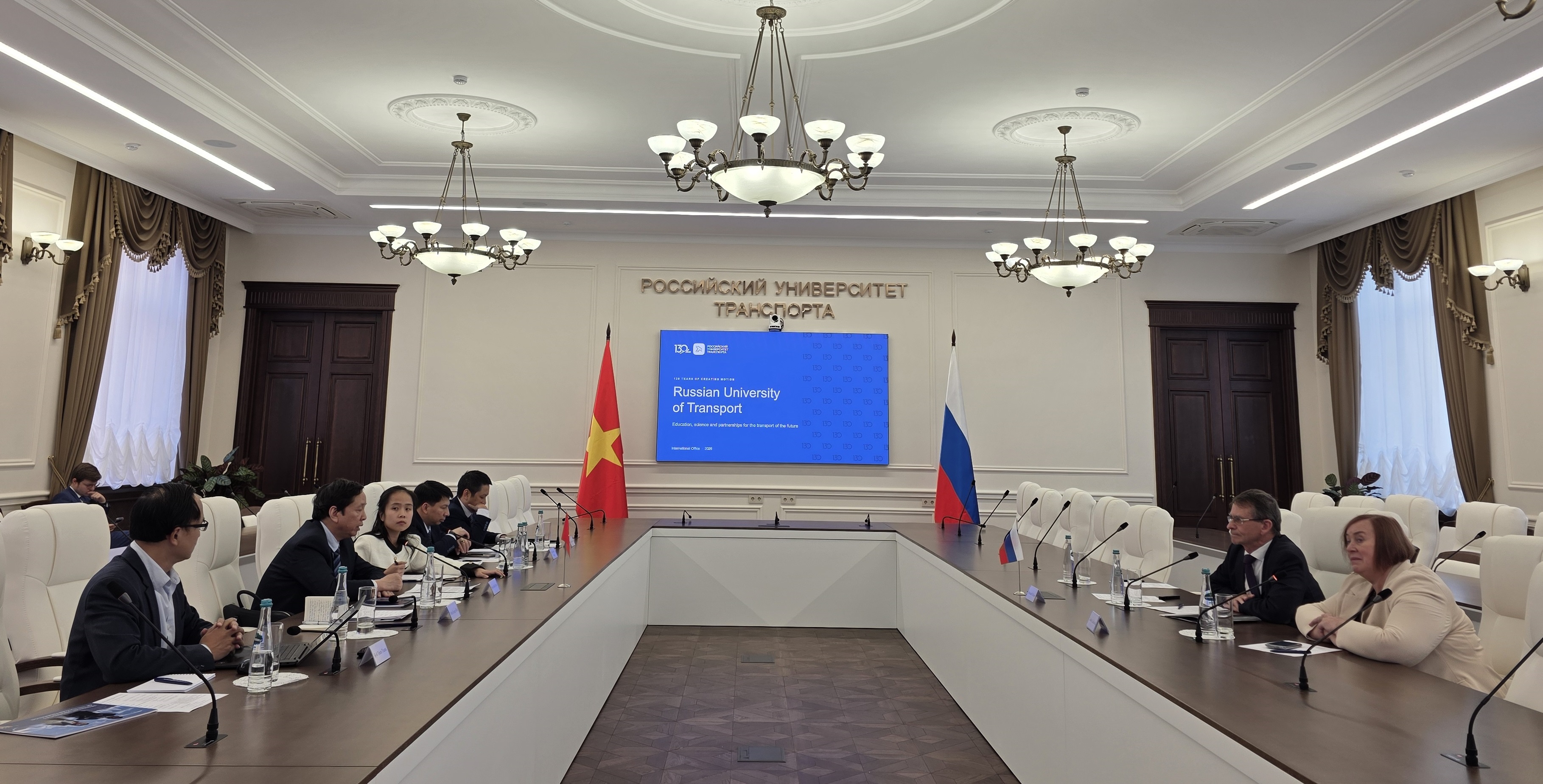
The two sides exchanged views on RUT-MIIT's research strengths in railway infrastructure, ballastless track systems, electric traction systems, traction power supply, equipment condition monitoring and diagnostics, vibration and noise reduction in urban railways, logistics, and railway technical standards. The UTC delegation also learned about the activities of RUT-MIIT's specialized units in transport infrastructure construction and international cooperation, helping identify suitable areas for further developing the partnership between the two universities in the coming years.
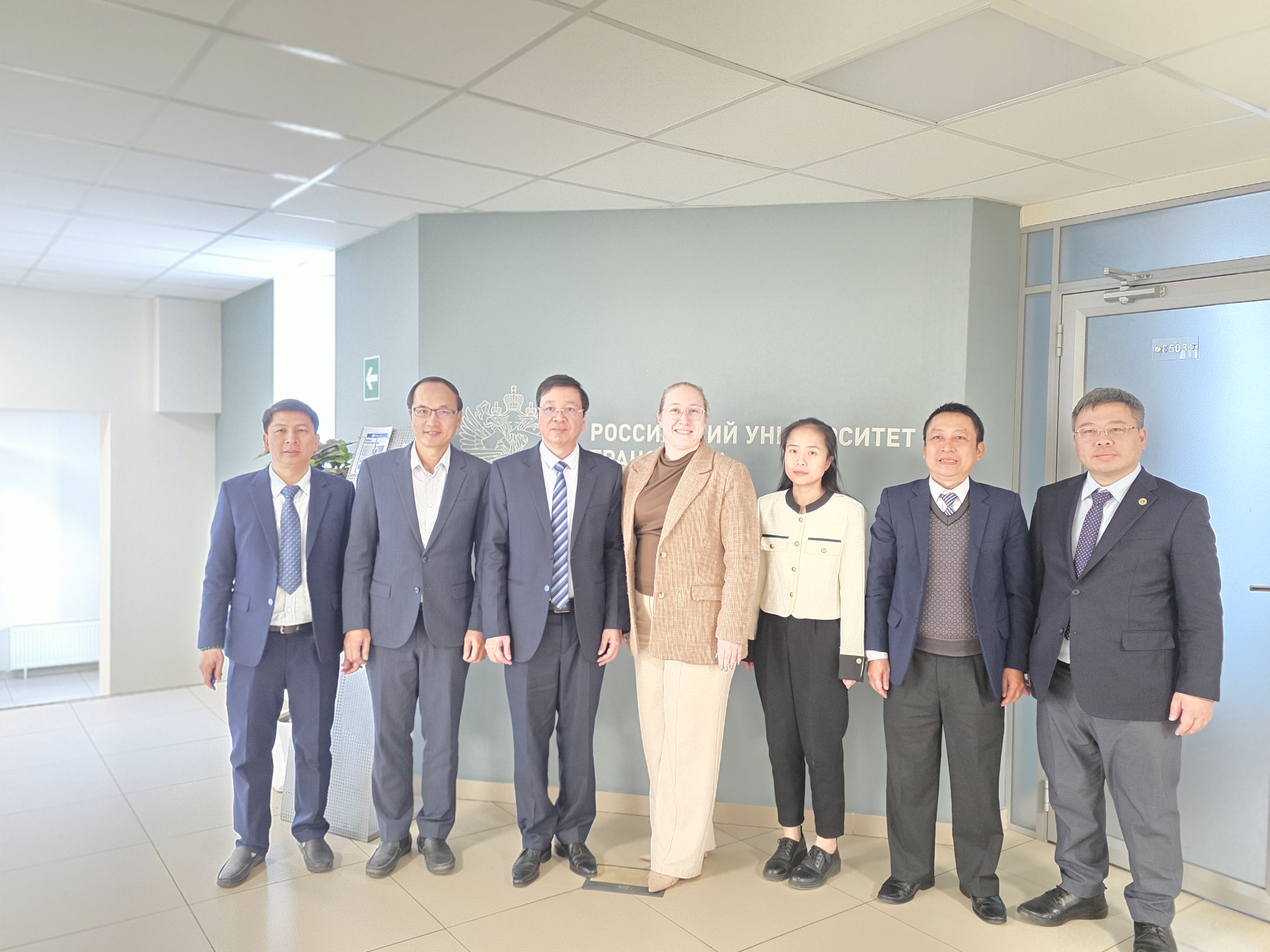
The two universities agreed to promote cooperation in railway automation, control and operations; cybersecurity for transportation systems; standardization of railway training curricula; faculty development and the training of key personnel; master's and doctoral education; and the organization of short-term training courses for transport sector professionals.
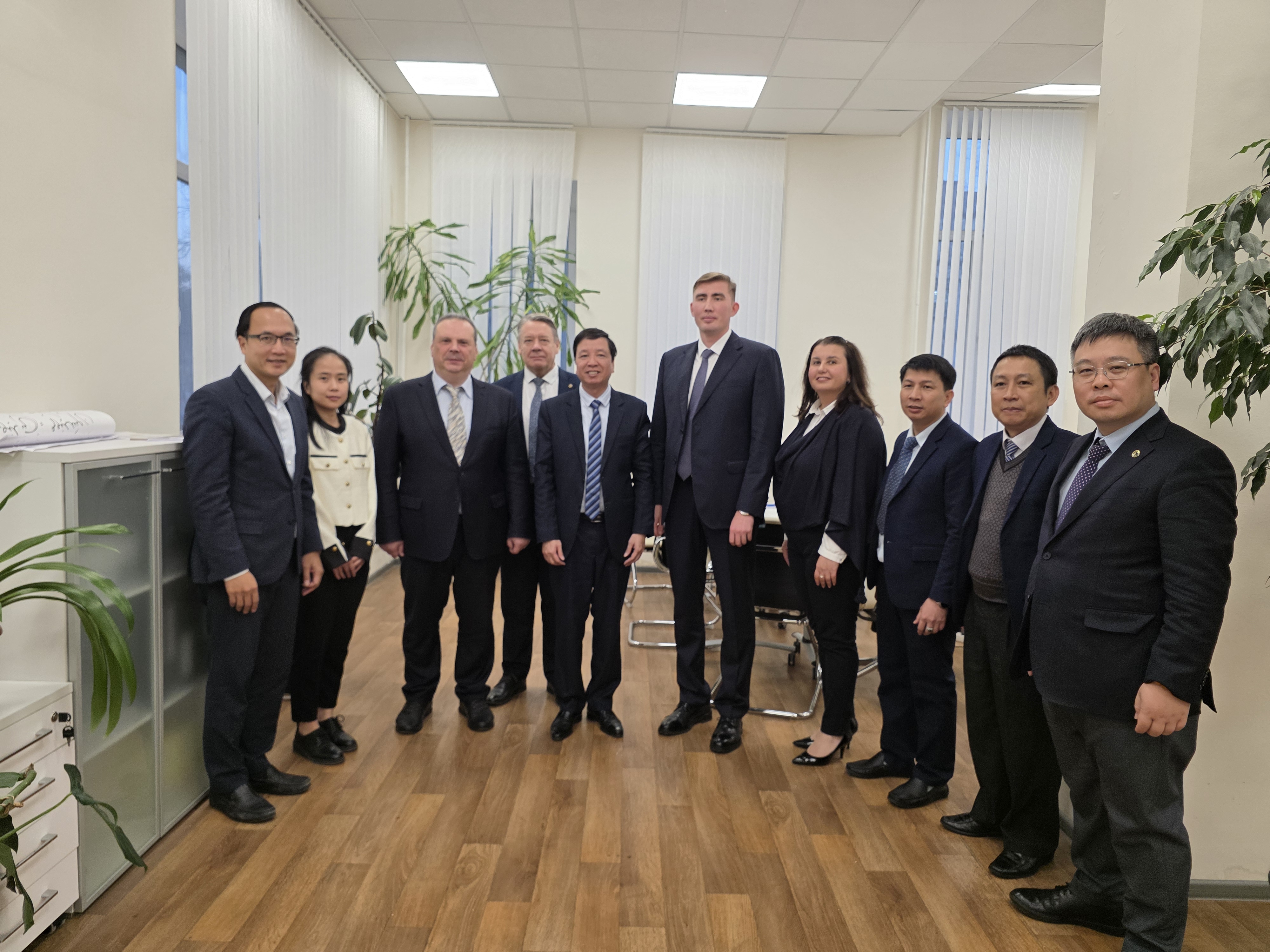
The exchange of digital learning resources and technical materials on railway structures and train-induced vibration effects was also discussed, with a view to strengthening knowledge sharing and the exchange of professional expertise between the two institutions.
RUT-MIIT expressed its interest in having UTC participate in an international logistics conference scheduled for April 2027. The university also proposed arranging online meetings between experts in Building Information Modelling (BIM) and railway operations and UTC's relevant academic units. These initiatives represent concrete steps towards maintaining regular academic exchanges and gradually establishing more in-depth cooperation activities.
Continuing the Working Programme in Saint Petersburg
The meetings in Moscow highlighted the potential for cooperation between UTC and Russian universities not only in traditional fields such as road engineering, bridges, tunnels, and railways, but also in emerging areas including aviation, intelligent transportation systems, artificial intelligence (AI), unmanned aerial vehicles (UAVs), and digital technologies. A common theme throughout the discussions was the shared commitment to moving beyond information exchange towards identifying specific areas of cooperation, aligning each university's research strengths with practical needs in human resource development, technological advancement, and addressing real-world challenges.
Following the activities in Moscow, the UTC delegation will continue its working programme in Saint Petersburg over the next two days. This next stage of the visit aims to expand connections with Russian higher education institutions and partners, while further exploring cooperation opportunities aligned with UTC's development strategy. The activities in Moscow have laid an important foundation for translating cooperation opportunities into concrete initiatives, contributing to improvements in the quality of education, scientific research capacity, and the university's ability to participate in developing technologies for Vietnam's transport sector.
Related Articles
University of Transport and Communications Launches the Third-Cycle External Assessment of Institutional Quality
DetailUniversity of Transport and Communications expands cooperation in Aerospace, Intelligent Transportation, and Railway Technologies in Saint Petersburg
DetailUniversity of Transport and Communications Signs Cooperation Agreement with ALMEC Vietnam Co., Ltd.
Detail