
University of Transport and Communications expands cooperation in Aerospace, Intelligent Transportation, and Railway Technologies in Saint Petersburg
On October 29 and 30, 2026, following its working programme in Moscow, a delegation from the University of Transport and Communications (UTC), led by Assoc. Prof. Dr. Nguyen Van Hung, Secretary of the Party Committee and President of UTC, visited Saint Petersburg, Russian Federation, to hold working meetings with Saint Petersburg State University of Aerospace Instrumentation (SUAI) and Emperor Alexander I St. Petersburg State Transport University (PGUPS). The meetings focused on exploring opportunities for cooperation in education, research, and technology development in such fields as aerospace, unmanned aerial vehicles (UAVs), artificial intelligence (AI), digital twins, logistics, intelligent transportation systems, and railway infrastructure, with a view to developing practical initiatives that can be implemented and applied in Vietnam.
At SUAI, the UTC delegation met with Ms. Yulia Antokhina, Rector of SUAI, together with Mr. Nikolai Mayorov, Vice-Rector for Scientific and Technological Development, and Mr. Sergei Solenyi, Vice-Rector for Educational Technologies and Innovation. At the beginning of the meeting, Ms. Yulia Antokhina expressed her appreciation for the successful organization of the Conference of Rectors of Vietnamese and Russian Universities hosted by UTC in May 2026. Assoc. Prof. Dr. Nguyen Van Hung congratulated SUAI on the occasion of its 85th anniversary and highlighted the similarities in the two universities' development orientations, as well as their considerable potential for cooperation.
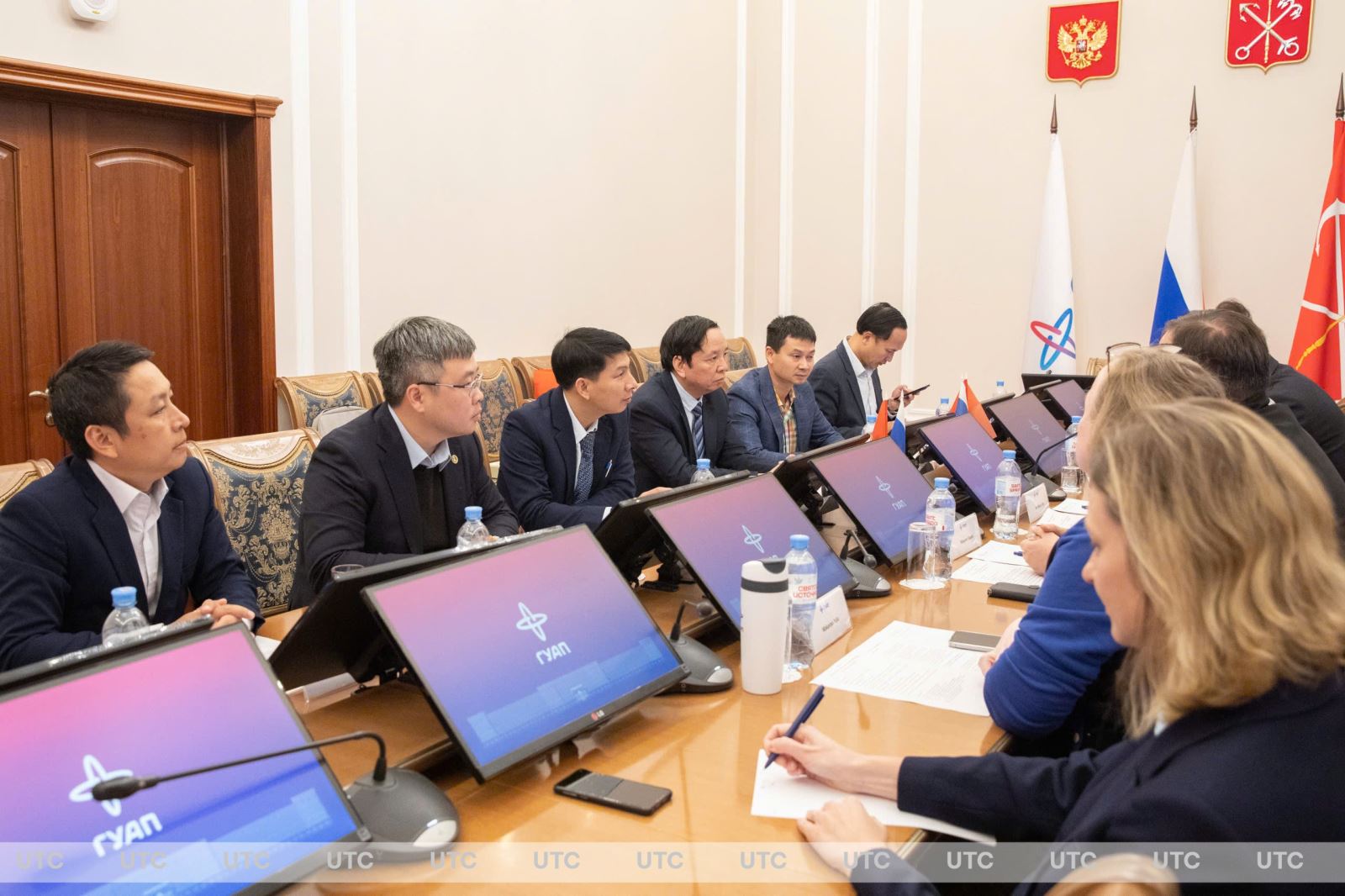
In presenting its educational and research capabilities, SUAI representatives noted that the university is a key participant in the Russian Federation's national strategic programme “Priority 2030” and currently operates more than 30 laboratories and research centres. SUAI also shared its students' achievements in professional skills and robotics competitions, demonstrating its commitment to engineering education that integrates practical training, research, and innovation.
In the field of transportation, SUAI introduced a virtual simulation system designed for railway signalling system maintenance, safety inspection, and operational training. Building on this presentation, the two universities discussed opportunities to establish links with UTC's relevant academic units, particularly in civil engineering, mechanical engineering, and transport infrastructure operations. They also explored possibilities for joint research, experience sharing, and the development of simulation, training, and inspection tools suited to railway operating conditions in Vietnam.
In the area of green transportation, SUAI introduced its laboratories conducting research on electric propulsion systems, high-efficiency electric motors, and battery management systems (BMS) for electric vehicles. The two sides discussed potential research cooperation on integrating mobile applications and intelligent management software to control charging networks and optimize the operation of public electric vehicle fleets. This represents a practical area of cooperation as Vietnam accelerates its green transition and the development of low-emission transport modes.
During discussions on innovation in education and aerospace technology research, Mr. Sergei Solenyi introduced SUAI's higher education model, which emphasizes project-based, interdisciplinary engineering education, with a strong focus on practical training and industry engagement. He also presented SUAI's research capabilities in unmanned aircraft systems (UAS), covering the entire development process from mathematical modelling and flight control software development to manufacturing and testing.
Two notable products and projects were highlighted: “Seamless Sky”, an initiative aimed at establishing an interconnected network for information and data transmission across different airspace levels, facilitating interaction between unmanned aerial vehicles and ground-based vehicles; and the OWL Aerohybrid/eVTOL hybrid UAV prototype developed by SUAI.
Building on the technologies presented, the leadership of UTC and SUAI discussed potential applications of UAVs in transport infrastructure monitoring and inspection, search and rescue operations, and logistics services.
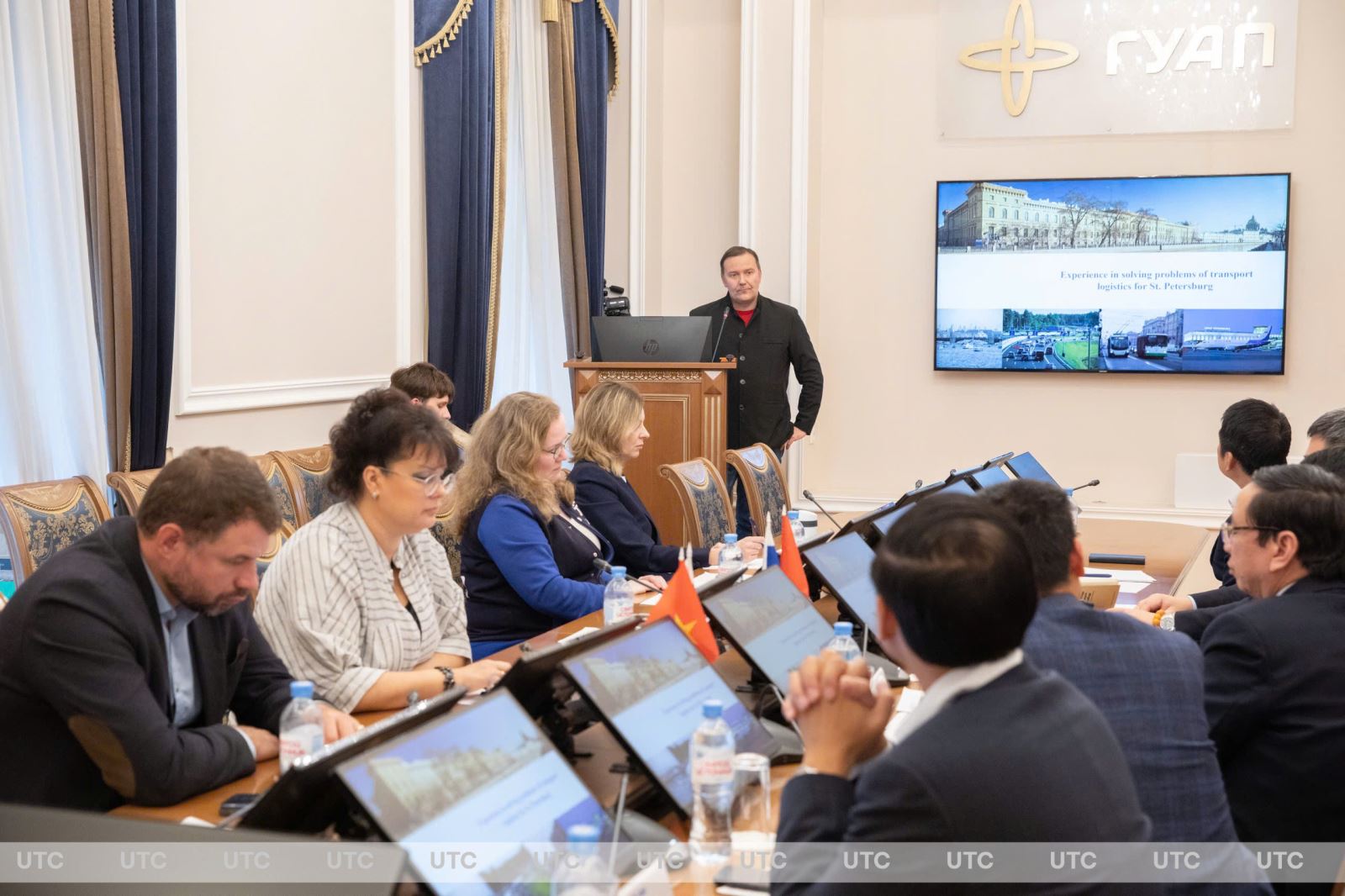
In the fields of digital twins and logistics, Mr. Nikolai Mayorov introduced Digital Twin/Spatial Twin models developed by SUAI and currently applied in urban management in Saint Petersburg. Examples included a passenger flow simulation model at Pulkovo International Airport Terminal, a passenger flow forecasting and management model at the international passenger port, and a monitoring system for transport vehicles and heavy-duty trucks operating across the city. These experiences offer promising opportunities for exploring digital twin applications in airport and seaport management, logistics, and traffic operations in major Vietnamese cities.
Based on the discussions, the leadership of both universities agreed to promote faculty and student exchanges, establish connections between laboratories, and facilitate remote research activities. They also agreed to share expertise and collaborate on developing academic programmes related to satellite technologies, aeronautical engineering, and their applications in intelligent and autonomous transportation. SUAI invited UTC lecturers, scientists, and doctoral students to participate in two international conferences scheduled for April 2027, focusing on robotics and intelligent systems, and aerospace technologies. On behalf of UTC, President Nguyen Van Hung cordially invited SUAI's leadership and scientists to attend the 6th International Conference on Sustainability in Civil Engineering (ICSCE 2026), to be hosted by UTC in December 2026. The two universities also discussed the possibility of organizing an exhibition showcasing SUAI's technologies as part of the conference programme.
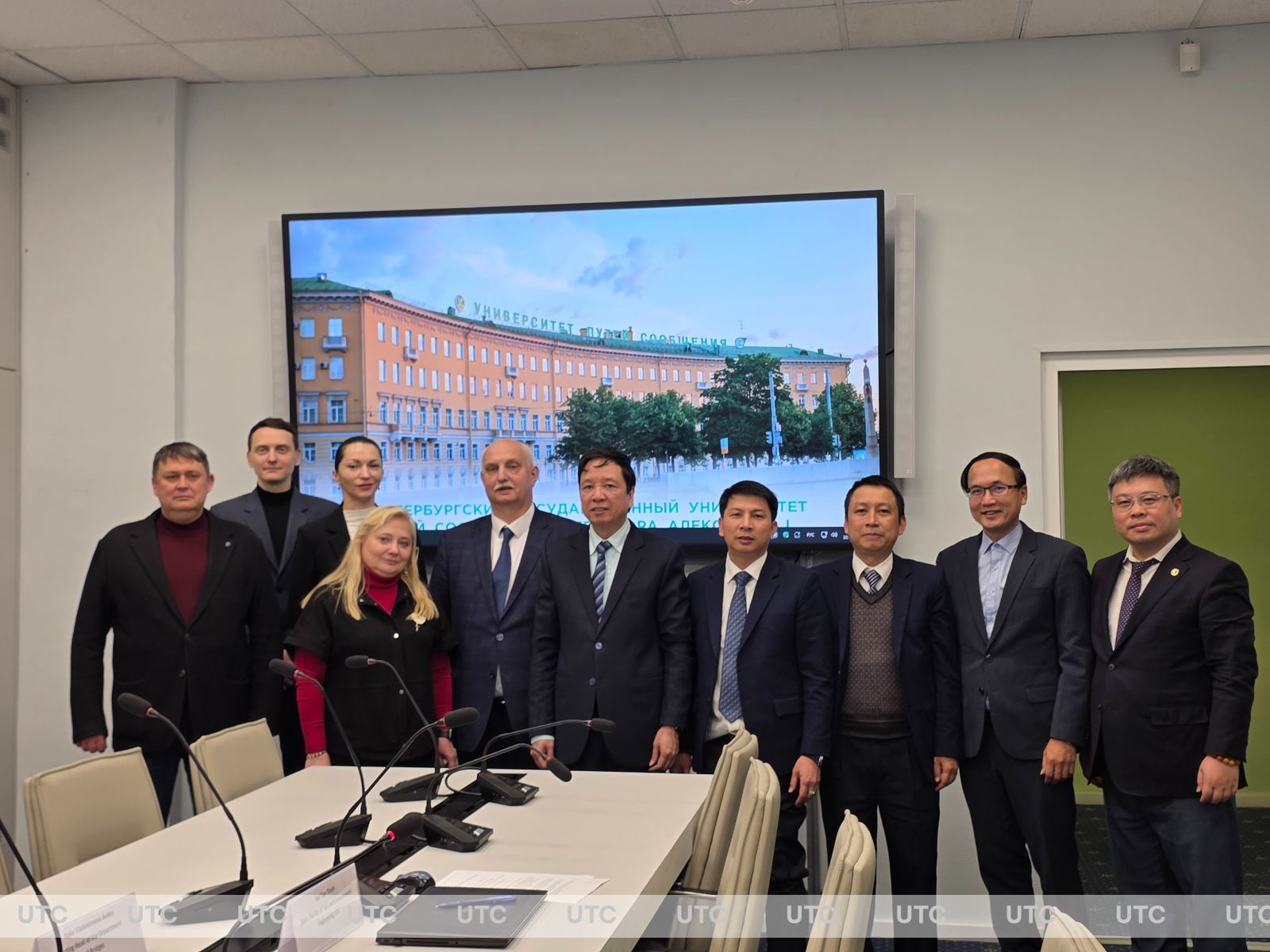
Advancing In-depth Cooperation with PGUPS in Railway Infrastructure and Technologies
At Emperor Alexander I St. Petersburg State Transport University (PGUPS), the UTC delegation held a working meeting with Prof. Pyotr Kirillovich Rybin, Acting Rector of PGUPS, together with university administrators and experts in bridges, tunnels, and metro systems. Established in 1809, with a history spanning more than 215 years, PGUPS is one of Russia's oldest institutions specializing in transport engineering. The university has a long-standing tradition of education and research closely associated with the establishment and development of the railway sector.
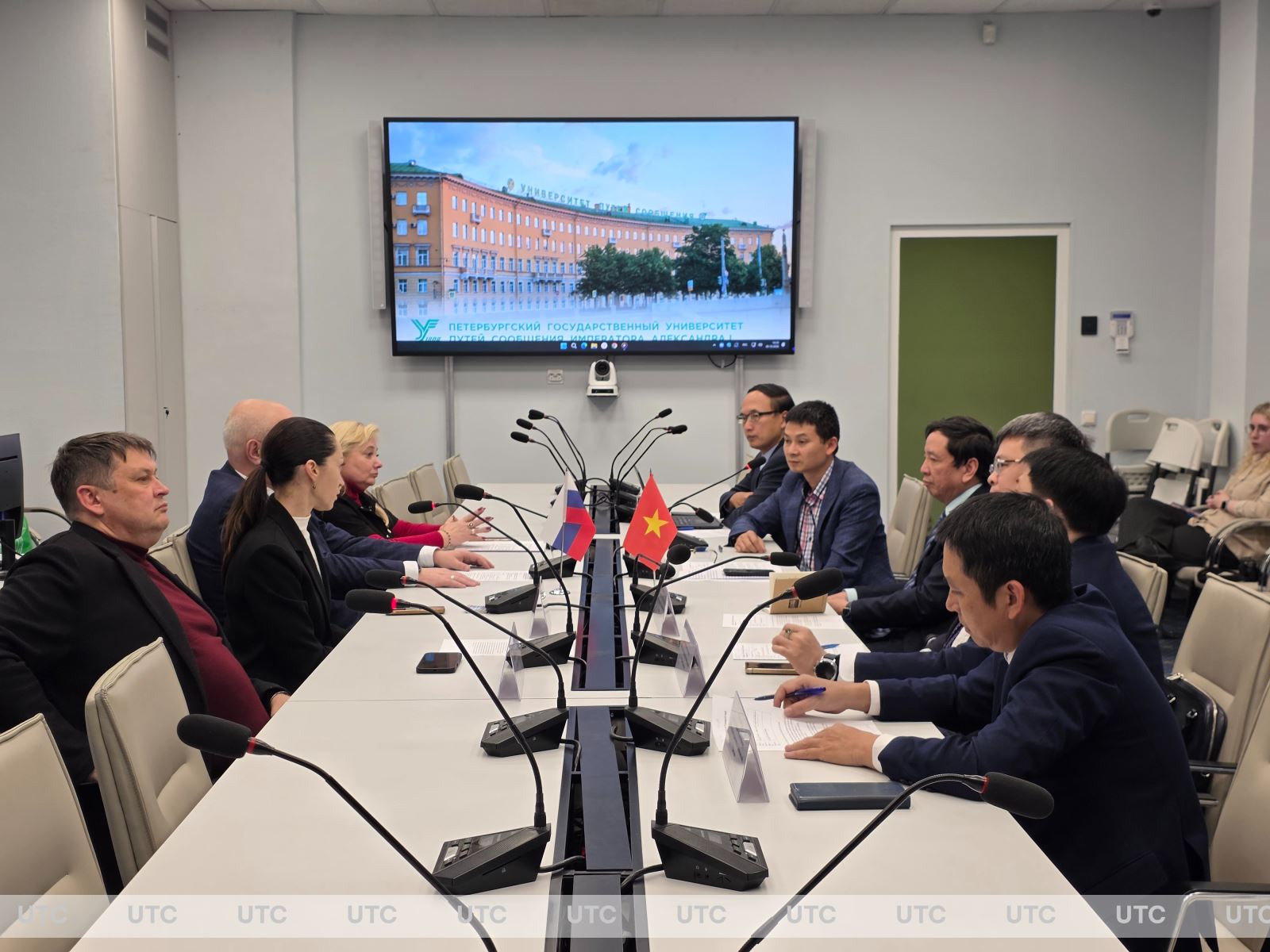
During the working programme, the UTC delegation explored the educational and research activities of PGUPS's specialized units in transport infrastructure construction, bridges, railways, tunnels and metro systems, as well as communication and control systems. The Faculty of Transport Construction, with a history of more than 100 years, conducts research in areas including high-speed railway structures, heavy-haul railway infrastructure, and long-span river-crossing bridges. The Faculty also applies laser scanning and satellite positioning technologies to monitor structural deformation. These areas are closely aligned with Vietnam's needs for the development of large-scale transport infrastructure.
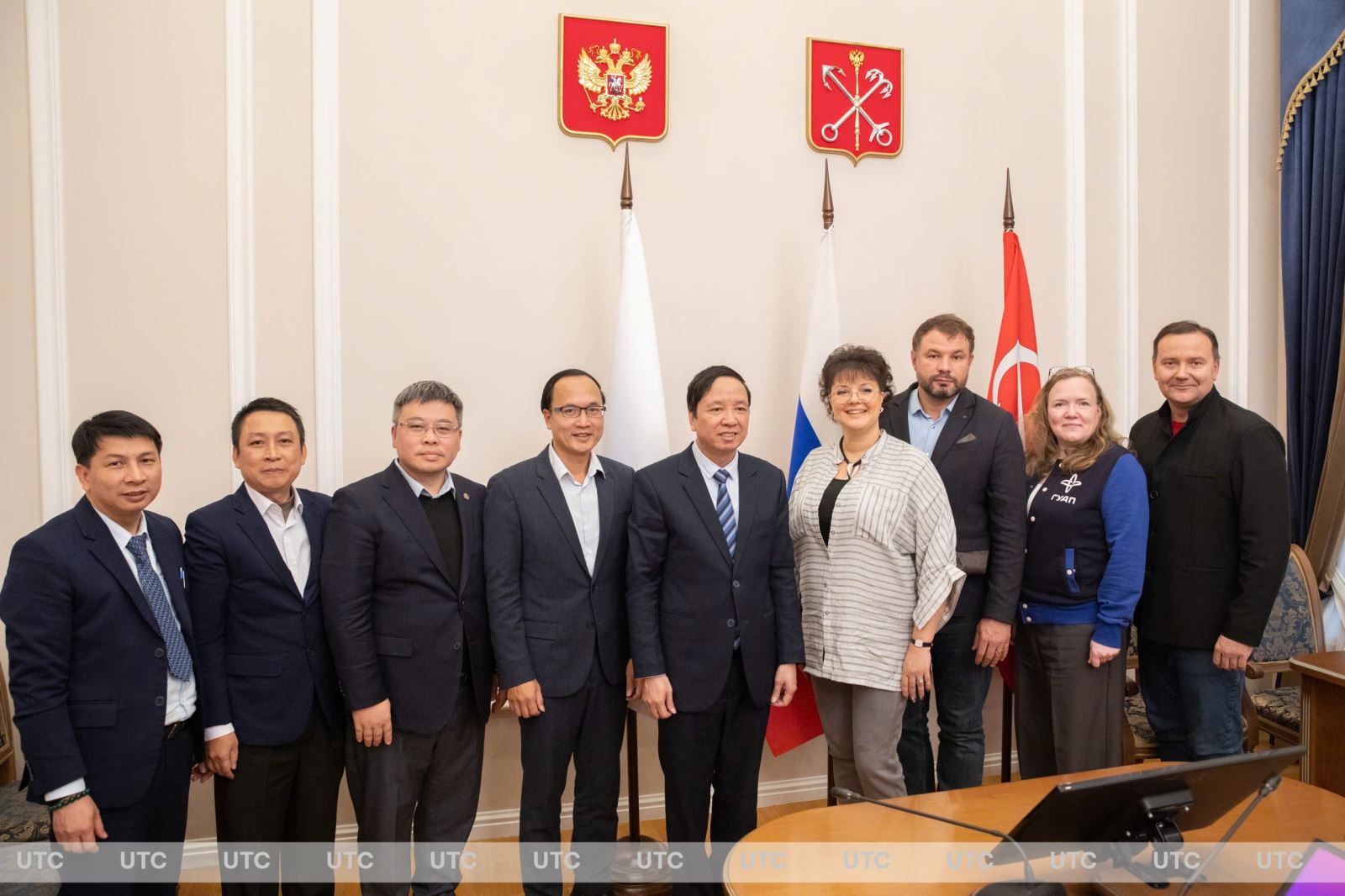
The delegation also learned about the strengths of the Faculty of Civil and Industrial Engineering, particularly in structural engineering, foundation engineering, construction materials, water supply and drainage, hydraulics, and the digitalization of materials science. The two universities discussed opportunities to share academic programmes, teaching materials, and experience in delivering programmes in transport infrastructure engineering, civil engineering, underground construction, and metro systems. They also considered potential adjustments to ensure that the shared content is suited to Vietnam's specific conditions and practical requirements.
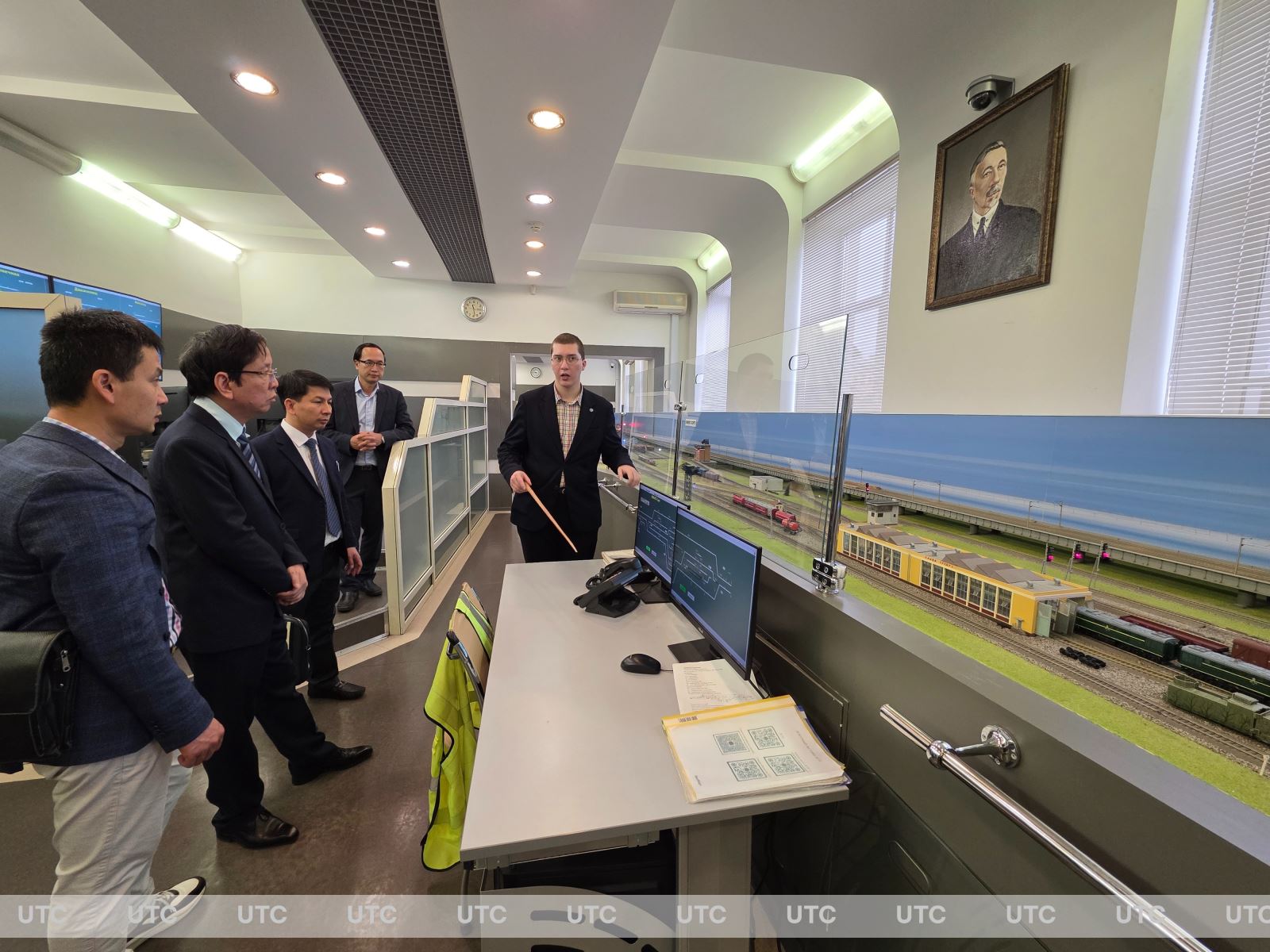
A highlight of the visit was the delegation's tour of the B.P. Beschev Training Centre for Train Dispatching and Traffic Management. At the Centre, PGUPS introduced a dispatching simulator featuring a mechanical track layout and realistic railway equipment models, integrated with electronic interlocking systems, relay-based systems, and signalling equipment. The UTC delegation also explored automated metro signalling test systems, power supply equipment, and Virtual Coupling technology, which enables trains to coordinate their operations through integrated communication and control systems.
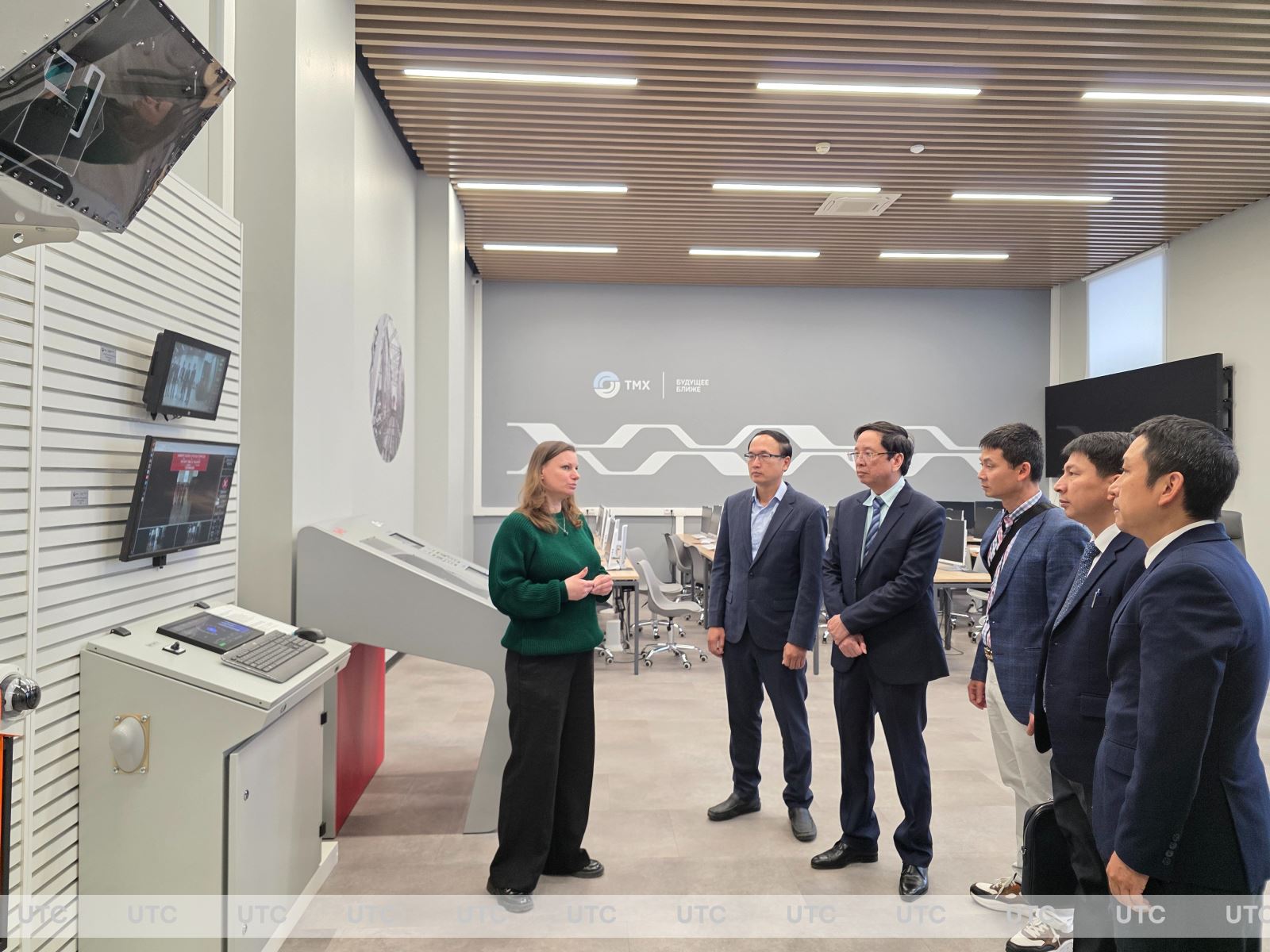
Unlike simulation systems operating entirely on computer screens, PGUPS's system combines control software with physical train and railway infrastructure models, enabling trainees to observe operations directly, practise train dispatching, and handle operational scenarios. The President of UTC considered this an essential approach to railway workforce training, particularly as Vietnam prepares to develop high-speed railways and urban railway lines.
In addition to cooperation in simulation technologies, the two universities agreed to promote exchanges of lecturers, students, experts, and research teams, and to explore opportunities for organizing internships and short-term professional development programmes lasting from one week to one month. PGUPS will share its academic programme frameworks with UTC for review, comparison, and adaptation to Vietnam's needs. The two sides also expressed their interest in developing master's and doctoral training cooperation. To this end, they will proactively identify training needs and anticipated enrolment quotas to facilitate the timely preparation of applications under relevant scholarship and training support programmes.
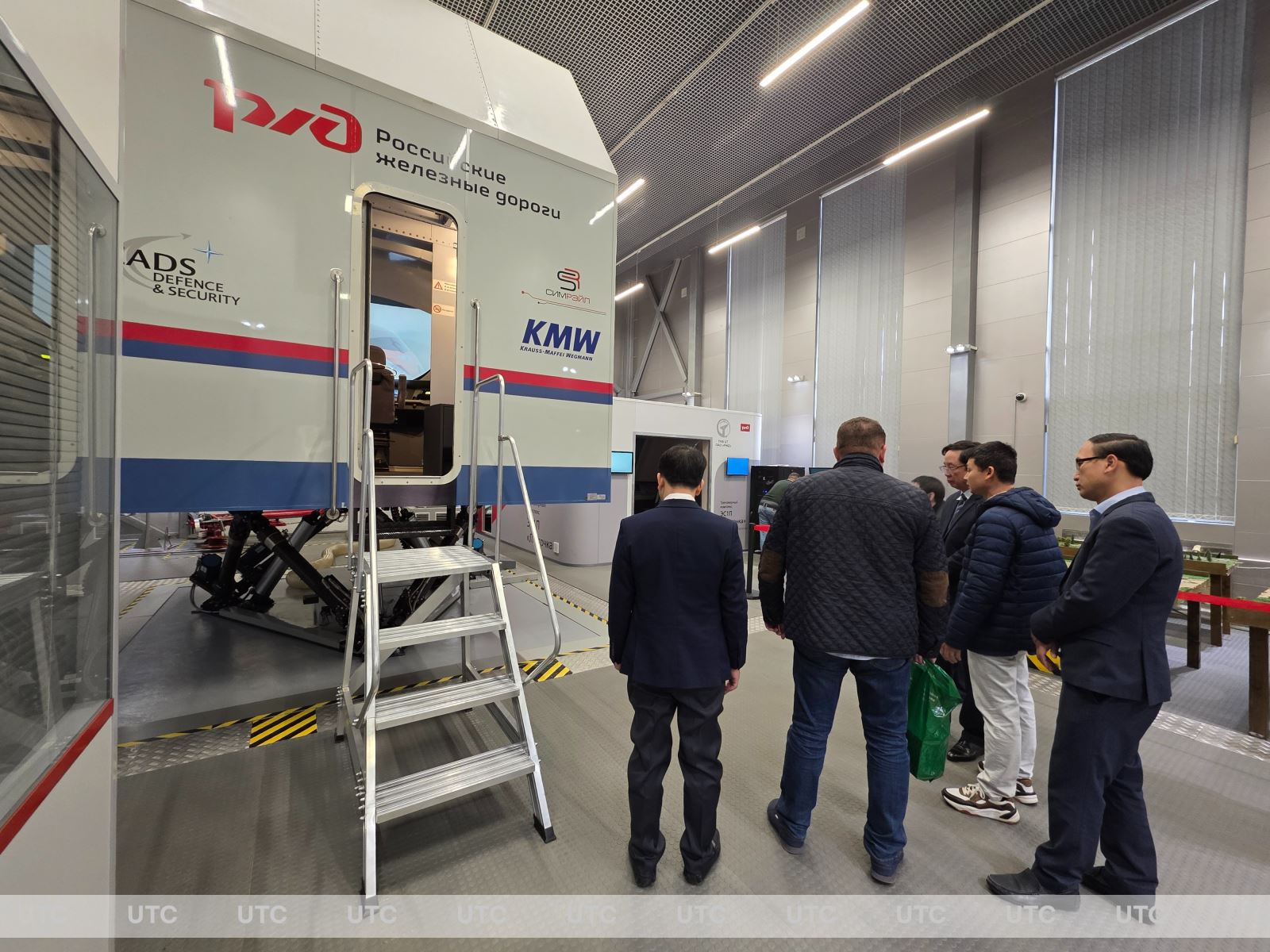
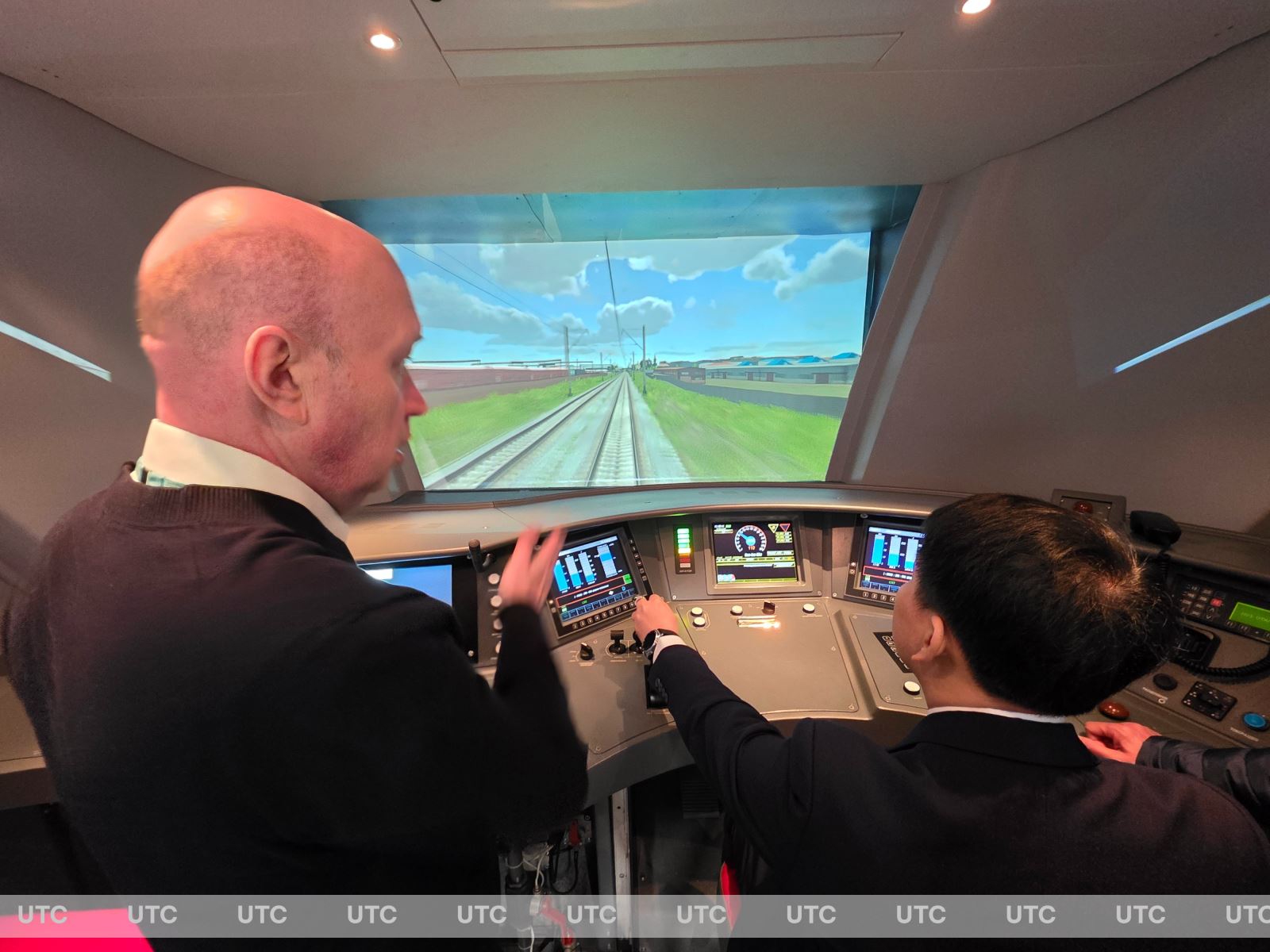
As part of the programme arranged by PGUPS, the UTC delegation also visited the High-Speed Train Service Personnel Training Centre, part of the Russian Railways (RZD) vocational training system in Saint Petersburg. The Centre specializes in training, coaching, and assessing the practical skills of railway personnel. The delegation explored the Sapsan high-speed train cab simulators, where trainees practise train operation and emergency response scenarios before taking up duties on the railway line. The visit provided UTC with further insights into a collaborative model linking universities, railway enterprises, and vocational training institutions, whereby enterprises' workforce requirements are directly incorporated into training curricula and practical skills development.
Concluding the Working Visit: From Academic Connections to Strategic Technology Cooperation
The working programme in Moscow and Saint Petersburg expanded UTC's network of partnerships with five Russian higher education institutions, each offering complementary strengths in road transport, railways, aviation, aerospace, mechanical engineering, logistics, and digital technologies. Through meetings with MADI, MAI, RUT-MIIT, SUAI, and PGUPS, the two sides identified a wide range of potential areas for cooperation aligned with strategic technologies and Vietnam's development needs. These include transport infrastructure materials and structures, modern railway technologies, railway automation and signalling, unmanned aerial vehicles (UAVs), robotics, electric vehicles, digital twins, artificial intelligence, and intelligent transportation systems.
Importantly, the discussions went beyond general cooperation orientations to identify initial areas for practical implementation. These include developing joint and dual-degree academic programmes; providing professional development for lecturers and postgraduate training at master's and doctoral levels; facilitating student and expert exchanges; connecting laboratories and research teams; organizing international conferences and workshops; sharing teaching materials and simulation models; and exploring technology transfer opportunities. All proposals aim to leverage the strengths of Russian partners while addressing practical requirements, local capacity for technology adoption, and Vietnam's technology development objectives.
For UTC, the visit provided an opportunity to strengthen longstanding partnerships, expand its network of partners in emerging technology fields, and explore more substantive models of cooperation. Building on the outcomes of the meetings, UTC will continue working with its Russian partners to refine cooperation plans, designate focal points, and develop specific implementation roadmaps, prioritizing initiatives with the potential to make a tangible contribution to human resource development, research capacity enhancement, and technological mastery. This represents a practical step towards further strengthening UTC's role in education and research and its contribution to the development of Vietnam's transport sector in the new era.
Related Articles
University of Transport and Communications Launches the Third-Cycle External Assessment of Institutional Quality
DetailUniversity of Transport and Communications Signs Cooperation Agreement with ALMEC Vietnam Co., Ltd.
DetailPresident of the University of Transport and Communications meets with Leading Russian Universities to Promote Cooperation in Strategic Technologies
Detail