
Seminar “Reality and Challenges in the Construction of Combined Railway–Road Bridges”
On January 15, 2026, the University of Transport and Communications organized a seminar entitled “Reality and Challenges in the Construction of Combined Railway–Road Bridges.” The event attracted the participation of numerous experts, policymakers, enterprises, and lecturers.
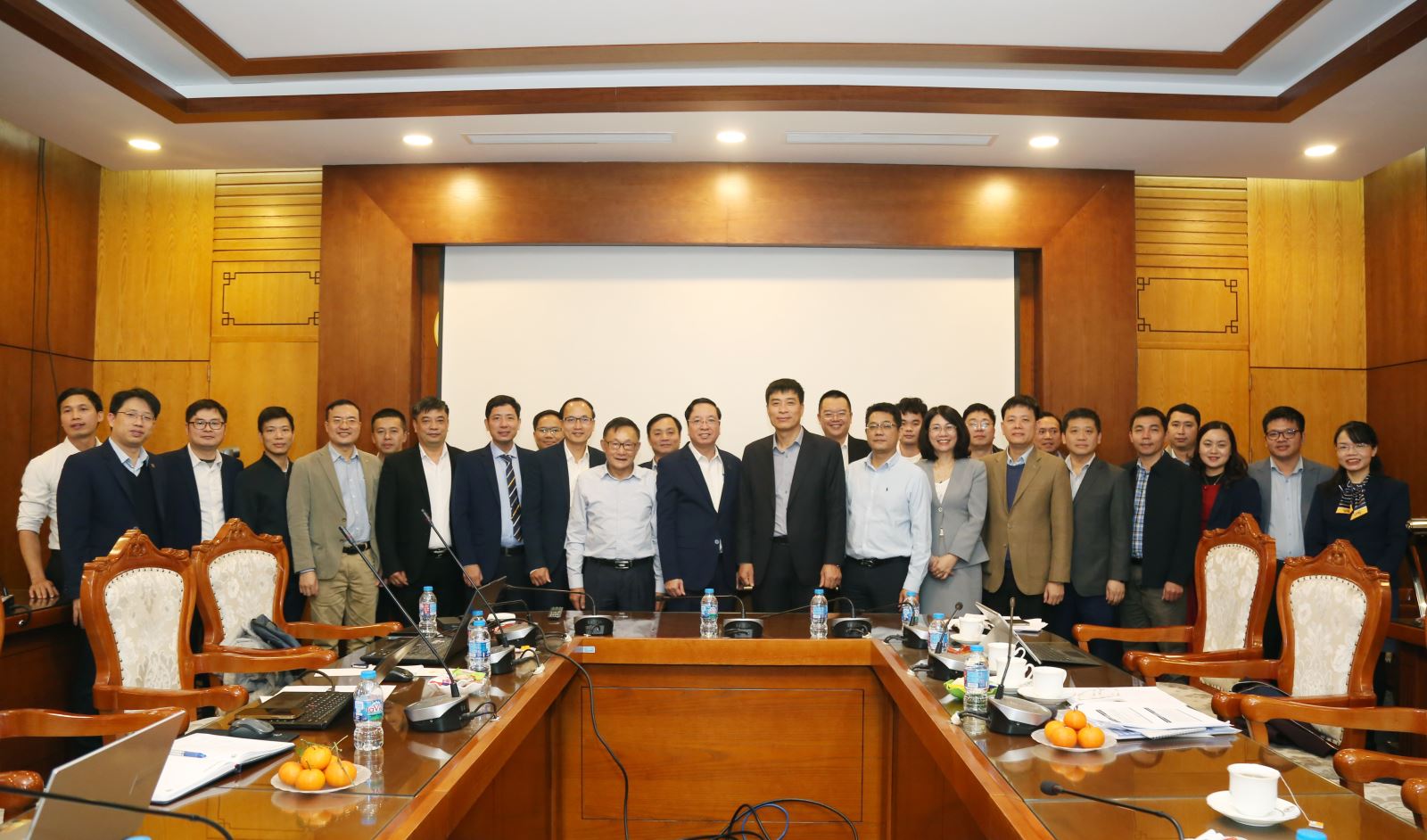
Participants at the Seminar took a commemorative group photo
In his opening remarks, Assoc. Prof. Dr. Nguyen Van Hung - President of the University - affirmed the University’s role as a key national technical university in the field of transport, as well as a leading institution in the network of Centers of Excellence for Industry 4.0 of the University of Transport and Communications. In recent years, the University of Transport and Communications has taken the lead in organizing the translation, compilation, and editing of 224 standards on electrified railways and high-speed railways, along with 23 cost estimation standards and norm sets for electrified railway projects. The seminar is an important scientific event focusing in depth on the realities and challenges in the construction of combined railway -road bridges, holding strategic significance for the development of modern transport infrastructure. It also provides a platform for scientists, policymakers, and enterprises to exchange ideas and propose practical solutions for infrastructure development in general, and for combined railway–road bridges in particular.
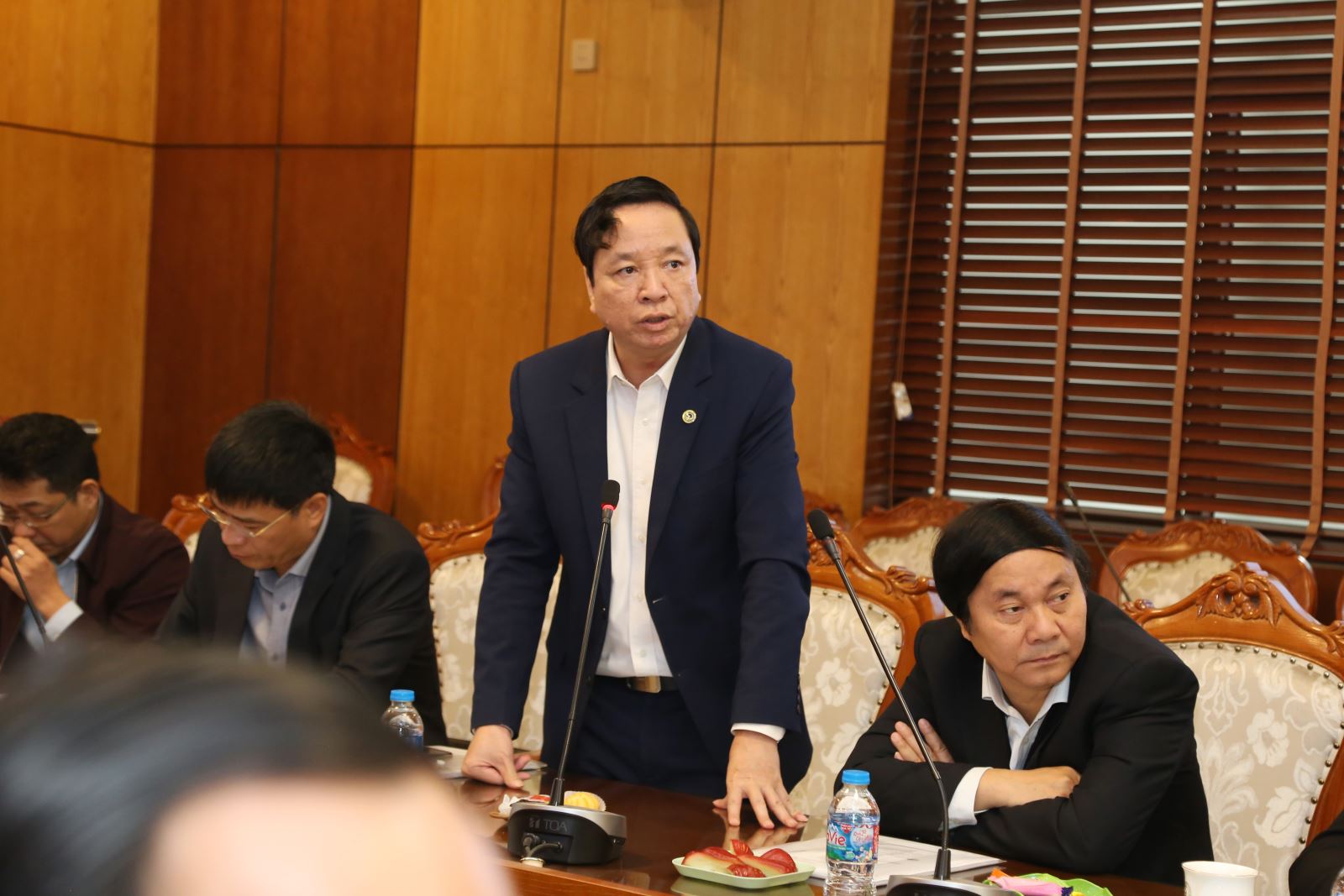
Assoc. Prof. Dr. Nguyen Van Hung - President of the University delivered the opening remarks at the Seminar
At the beginning of the seminar, Assoc. Prof. Dr. Tran Viet Hung from the Department of Urban Transport and Marine-coastal Engineering, Faculty of Civil Engineering, presented a paper on several technical requirements for the design of superstructures of combined railway - road bridges. The integration of road and railway systems on a single bridge poses significant challenges for bridge construction. However, this combined solution offers notable advantages from the outset, particularly in the context of limited financial resources and high-density urbanization. Regarding economic benefits, groups of bridge location alternatives, operation, maintenance, and disruption incidents, Assoc. Prof. Dr. Tran Viet Hung also shared international experiences on technical requirements for designing combined railway - road bridge superstructures in countries such as China and Japan. Based on these insights, he raised key issues concerning technical requirements in bridge design and emphasized the necessity of developing standards for combined railway–road systems.
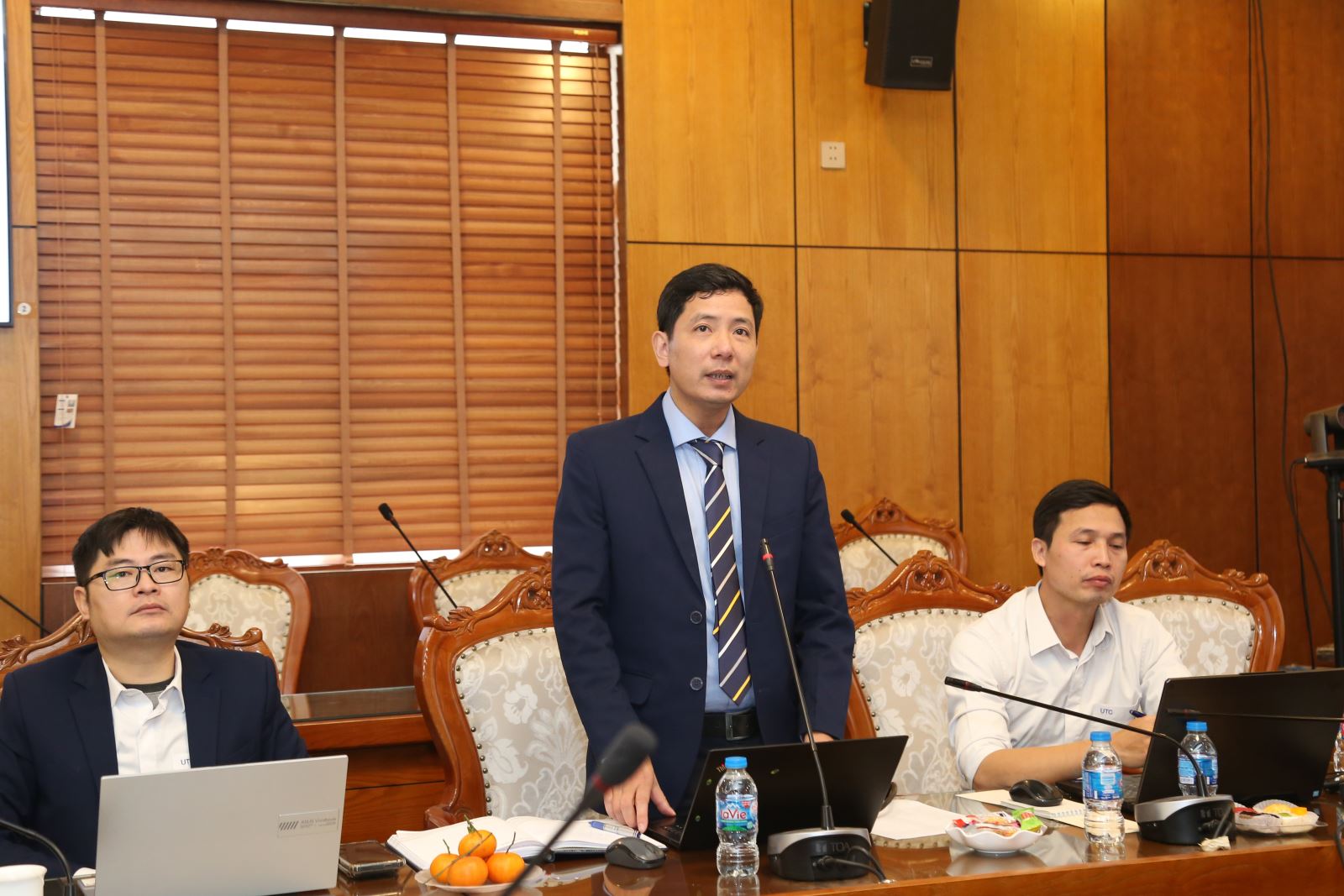
Assoc. Prof. Dr. Tran Viet Hung - Department of Urban Transport and Marine-coastal Engineering, Faculty of Civil Engineering, presented his paper
Assoc. Prof. Dr. Hoang Ha from the Faculty of Civil Engineering presented a paper on controlling dynamic stability under high-speed moving loads for long-span bridges in the case of combined railway–road usage. In the context of rapidly increasing transport demand driven by urbanization trends, there is a growing need to expand and upgrade transport corridors, including widening routes and bridges. However, constraints in available land often require solutions such as constructing parallel bridges or integrating railway and roadway systems on the same structure. This raises critical challenges, including the need to connect economic centers and urban chains, the overlap or close proximity of transport routes, and the consideration of integrated solutions. Additionally, elongated and narrow terrain conditions, along with complex geology, further complicate the design. Therefore, combining railway and road traffic on shared infrastructure requires careful and thorough evaluation. Assoc. Prof. Dr. Hoang Ha also proposed solutions with specific options tailored to different routes, while highlighting technical and technological challenges, as well as structural stiffness requirements due to heavy railway loads.
.jpg)
Assoc. Prof. Dr. Hoang Ha - Faculty of Civil Engineering presented his paper
Speaking at the seminar, Deputy Minister of Construction Phạm Minh Hà commended the University’s team of experts for their proactive and pioneering efforts in translating international high-speed railway standards. These efforts provide an important basis for advising regulatory authorities in selecting appropriate standards for high-speed and electrified railway systems, as well as for researching solutions for combined railway–road bridges.
He emphasized that, if applied in practice, such solutions could potentially save the state budget thousands of billions of VND. However, he also noted that this approach presents significant challenges, particularly in the design of foundation structures, especially under the complex geological conditions of the Mekong Delta region.
With a team of experienced experts in research and teaching in the railway field, the Ministry of Construction has entrusted the University with leading the advisory work on the selection and drafting of high-speed railway standards for practical application.
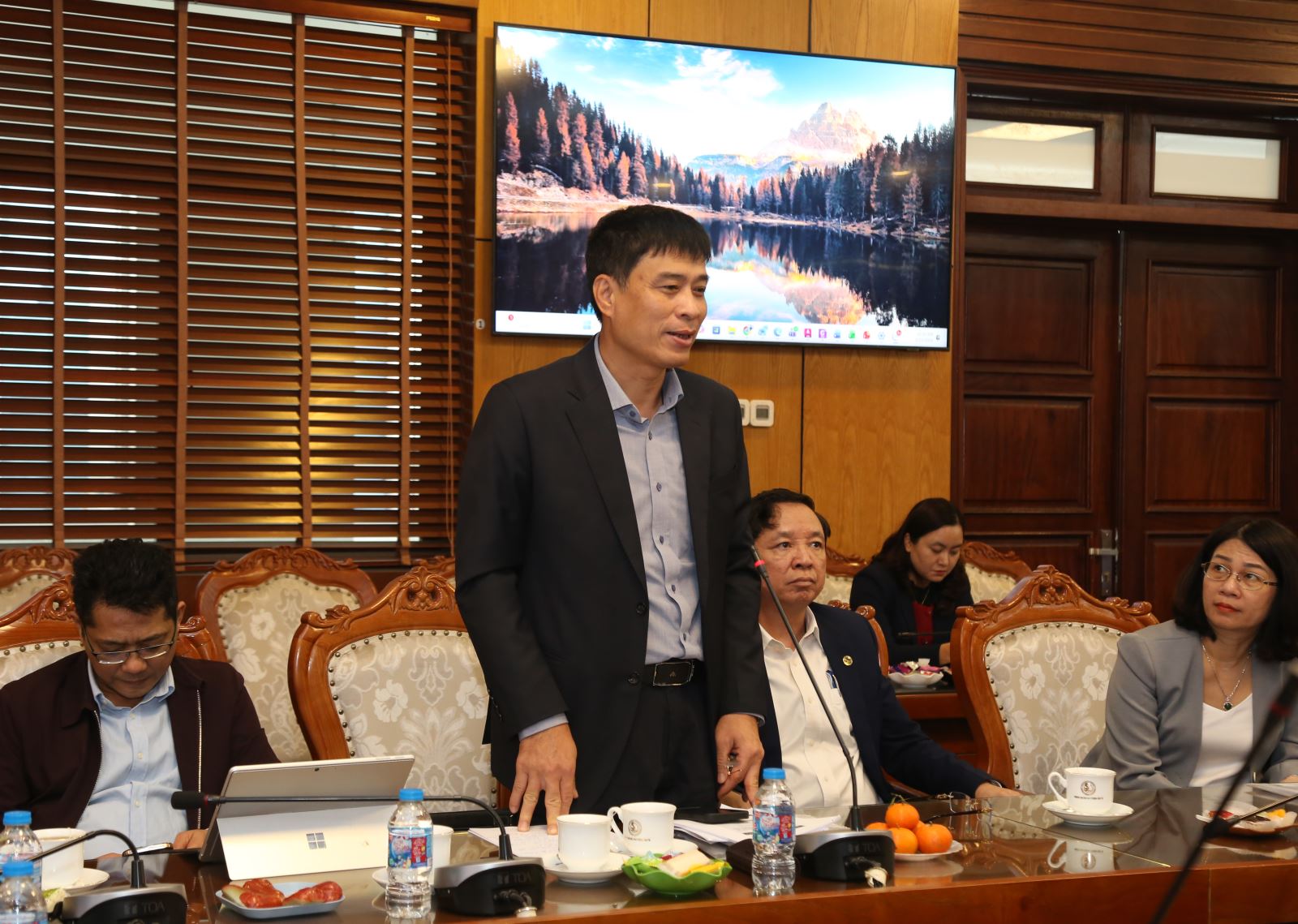
Deputy Minister of Construction Pham Minh Ha delivered remarks at the Seminar
At the seminar, experts, policymakers, lecturers, and enterprises engaged in direct discussions, sharing information and proposing technical, economic, and safety solutions. These exchanges contributed to clarifying and substantiating the effectiveness of current models applying design techniques for superstructures of combined railway–road bridges.
ICDS
Related Articles
Conference on the Review of Science and Technology Activities of the University of Transport and Communications for the 2022–2025 Period
DetailThe University of Transport and Communications signs a cooperation agreement with Viettel Post Joint Stock Corporation
DetailVATM Scholarship Award Ceremony – Empowering Dreams
Detail